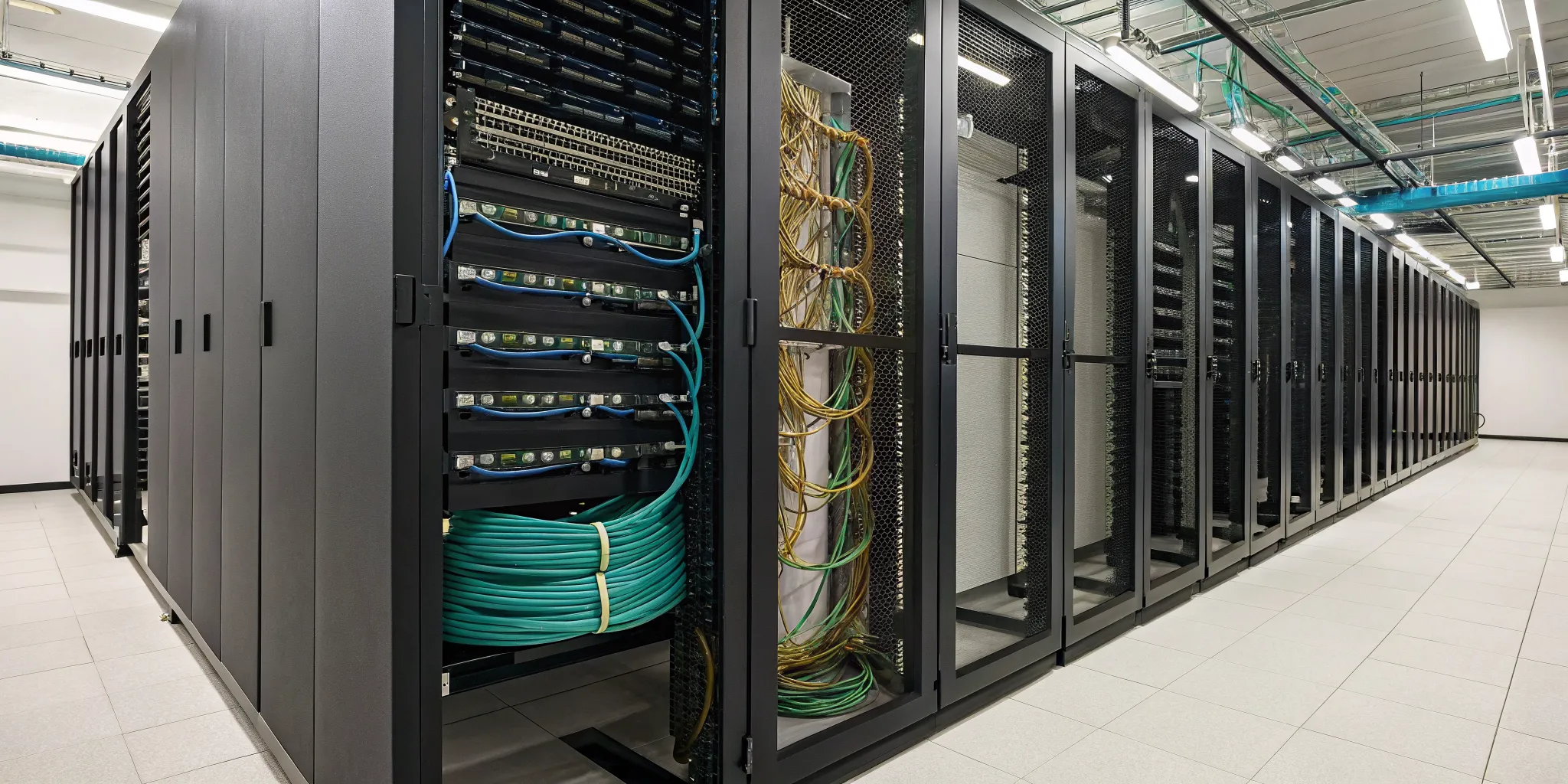
It’s a common mistake to think that all wiring is the same. You might assume the electrician handling your lighting can also set up your data network. However, the high-voltage power that runs your lights is fundamentally different from the low-voltage systems that carry your data. This distinction is critical for any business, especially one that relies on fast, reliable communication across multiple sites. A general electrician is a master of power, but a specialist is needed for performance. Pro wiring solutions provide this specialized expertise, focusing exclusively on the structured cabling that supports your computers, phones, and security systems. It’s the difference between just getting connected and building a truly reliable, high-performance technology infrastructure.
Key Takeaways
- Standardize your infrastructure with one partner: Using a single provider for all your locations creates a consistent technology blueprint. This approach simplifies management, makes troubleshooting easier, and ensures future technology rollouts are seamless.
- Look for a partner, not just a contractor: A true wiring partner offers comprehensive services that go beyond simple installation, including technology design, project management, and ongoing support. This end-to-end approach ensures your infrastructure is built to scale with your business.
- Prioritize proven experience over the lowest price: When vetting providers, focus on their track record with multi-site businesses in your specific industry. Confirm they have national coverage and proper certifications, as these qualifications are more critical for long-term reliability than the initial quote.
What Are Professional Wiring Solutions?
When you’re setting up a new office or expanding to another location, you’re likely focused on the big picture: the layout, the furniture, the computers. But what about the invisible network that makes all your technology work together? That’s where professional wiring solutions come in. These services are about much more than just plugging in cables. They involve the complete design, installation, and management of the low-voltage systems that act as the central nervous system for your business. For a multi-site organization, this is the key to ensuring every location operates on the same reliable, high-performing foundation for communication and data transfer.
Commercial vs. Residential: What's the Difference?
The wiring that runs through your office is fundamentally different from what you have at home, and for good reason. Commercial wiring is designed to handle a much higher volume of data and a greater number of devices. It’s built for durability and must comply with stricter safety and building regulations. Think about a busy dental office or corporate headquarters. The network needs to support everything from computers and phone systems to specialized equipment and security cameras, all at once. This complexity and scale are why commercial projects require specialized expertise. It’s about creating a robust infrastructure that can withstand the demands of a growing business, not just connecting a few laptops to the internet.
Understanding Structured Cabling and Low-Voltage Systems
You’ll often hear the terms "structured cabling" and "low-voltage systems," so let’s quickly break them down. Structured cabling is simply an organized and standardized approach to your building's entire cabling network. It creates a clean, cohesive infrastructure that connects your computers, phones, security systems, and other devices to your network. Low-voltage systems are the pathways that carry data for these technologies. Getting the technology design and implementation of these systems right from the start is crucial. A well-designed structured cabling system makes it easy to manage your network, troubleshoot issues, and add new technology as your business grows, creating a future-proof foundation for all your locations.
Why Do Multi-Location Businesses Need Professional Wiring?
When you're managing technology across multiple locations, the last thing you want to worry about is what’s happening behind the walls. But the quality of your structured cabling is the foundation for your entire IT infrastructure. It dictates the speed of your network, the reliability of your security systems, and your ability to grow without major disruptions. For multi-site organizations, trying to manage this with local, unvetted contractors at each location often leads to a patchwork of inconsistent, unreliable, and non-compliant systems. This creates a constant headache for your IT team and can stall your growth.
Professional wiring services solve this by creating a standardized, high-performance backbone for your entire operation. It’s not just about connecting computers and phones; it’s a strategic approach to building a network that is secure, scalable, and easy to manage, no matter how many sites you have. By partnering with a single provider, you ensure every new office, from the initial new construction to ongoing changes, is built on the same reliable framework. This approach turns your physical infrastructure from a potential liability into a powerful asset that supports your expansion. It gives you predictable results and peace of mind, knowing that the technological foundation of every location is solid.
Ensure Consistency Across All Locations
Imagine your IT team trying to troubleshoot an issue, only to find that every office has a completely different wiring closet, labeling system, and quality of work. This inconsistency creates massive inefficiencies, making maintenance slow and expensive. A professional wiring partner establishes a single, standards-driven blueprint for all your locations. This means every cable is installed, terminated, and tested the same way, every time. This uniformity simplifies troubleshooting, streamlines support, and makes multi-site technology rollouts for upgrades or new software deployments significantly smoother. When your infrastructure is consistent, your team can resolve issues faster and manage the network more effectively.
Build a Foundation That Scales With You
Your business is growing, and your IT infrastructure needs to be ready to grow with it. Professional wiring isn't just about meeting your current needs; it's about building a foundation that can handle future demands. A skilled partner will design a structured cabling system that anticipates increased bandwidth requirements, additional devices, and emerging technologies. This forward-thinking approach helps you avoid costly and disruptive "rip-and-replace" projects down the road. For organizations expanding through mergers and acquisitions, having a scalable wiring model makes it far easier to integrate new locations into your existing IT standards, ensuring a seamless transition and immediate operational readiness.
Meet Safety and Compliance Standards
Improperly installed low-voltage cabling can create serious risks, including fire hazards, electrical interference, and critical system failures. Commercial buildings are subject to strict local and national electrical codes and safety regulations that govern how this wiring must be installed. A professional wiring contractor ensures every aspect of the job is fully compliant, protecting your business, your employees, and your data. For specialized industries like Dental Service Organizations and other healthcare providers, where uptime and data security are paramount, meeting these standards isn't optional. It’s a fundamental requirement for protecting sensitive information and ensuring operational continuity across all your practices.
What Do Professional Wiring Services Include?
When you partner with a professional wiring contractor, you’re getting much more than someone to run a few cables through the walls. You’re investing in a comprehensive suite of services designed to build a reliable technology foundation for your entire organization. These services are the building blocks for seamless communication, robust security, and scalable growth across all your locations. A true wiring partner handles everything from initial design and consulting to final implementation, ensuring your low-voltage infrastructure is ready for whatever comes next. Let’s look at the core services you should expect.
Network and Structured Cabling
Think of structured cabling as the central nervous system of your business. It’s the organized system of cables and hardware that connects all your data and communication devices, from computers and phones to servers and security cameras. Professional services ensure this system is designed for efficient data transmission, creating a stable network across every single one of your sites. This isn't just about connecting Point A to Point B; it's about creating a clean, scalable, and easy-to-manage infrastructure that supports your multi-site technology rollouts and prevents connectivity headaches. A well-designed system simplifies troubleshooting and makes future upgrades much smoother.
Telecom and Phone System Installation
For any multi-location business, clear and reliable communication is non-negotiable. Professional wiring services include the installation and setup of your telecom and phone systems, ensuring your teams and clients can connect without interruption. This often involves installing commercial telephone jacks, wiring for VoIP (Voice over Internet Protocol) systems, and integrating the phone network with your data network. Proper installation is key to call clarity and system reliability, helping you maintain consistent service standards whether you're managing two offices or two hundred. This is a critical part of any moves, adds, and changes project.
Security System Integration
Protecting your people and property is a top priority, and professional wiring is essential for a dependable security setup. This service involves the complete integration of your security systems, including surveillance cameras, access control panels, and alarm systems. A wiring expert ensures these low-voltage systems are installed correctly and configured to work together seamlessly. For organizations like Dental Service Organizations, having a standardized and professionally installed security system at each practice provides peace of mind and protects valuable assets and sensitive information across the board.
Technology Design and Implementation
Beyond just installation, a top-tier wiring partner provides expert technology design and implementation. This means they work with you from the very beginning to plan an infrastructure that meets your current needs and supports future growth. Whether you're undertaking a new construction project, renovating existing offices, or standardizing technology after a merger, this strategic approach is invaluable. They analyze your goals and design a wiring plan that integrates all your systems efficiently, ensuring your technology foundation is built to last and can handle future upgrades with ease.
How to Vet a Professional Wiring Contractor
Finding the right wiring contractor is one of the most important decisions you'll make for your technology infrastructure. This isn't just about connecting cables; it's about building a reliable foundation that supports your entire operation, from data transfer to security systems. The right partner ensures your technology works seamlessly across all your locations, while the wrong one can lead to frustrating downtime and costly repairs. When you're managing multiple sites, the stakes are even higher. You need a partner you can trust to deliver consistent, high-quality results every time. Vetting a contractor goes beyond comparing quotes. It involves a careful look at their qualifications, experience, and the quality of their work to ensure they can meet the unique demands of a growing, multi-location organization. This process helps you find a team that not only understands the technical requirements but also the business implications of a solid, scalable network.
Check for Certifications and Licensing
Your first step should be to confirm that any potential contractor holds the proper certifications and licenses. These credentials aren't just pieces of paper; they are proof that the contractor meets strict industry and state requirements for safety and quality. A certified specialty contractor, for example, is authorized to perform specific types of wiring work. You can often verify a contractor's license through state-run databases, which provides peace of mind that you're working with a qualified professional. Don't hesitate to ask for this information directly. A reputable partner will be happy to provide proof of their qualifications.
Proven Multi-Location Experience
For a business with multiple offices, experience with single-site projects isn't enough. You need a partner with a proven track record of handling multi-location rollouts. A contractor experienced in this area understands the logistical complexities of standardizing technology across different cities and states. They know how to ensure every location, whether it's your first or your fiftieth, has the exact same high-quality infrastructure. This expertise extends beyond installation to include consulting and design, helping you create a scalable and consistent technology plan. This ensures your wiring foundation supports your growth, rather than holding it back.
High-Quality Equipment and Tools
The quality of a wiring job is directly tied to the tools and equipment used. A professional contractor invests in high-quality, specialized equipment to ensure every connection is secure, reliable, and built to last. But it's not just about the tools themselves; it's about the expertise to use them correctly. Look for a team with a strong IT background and experience with the types of systems you use. For example, technicians skilled in installing and uninstalling network equipment will have a deeper understanding of how the cabling infrastructure supports your entire technology stack. This ensures a more efficient and effective installation from start to finish.
Professional Wiring vs. Basic Electrical: What's the Difference?
It’s a common misconception that all wiring is the same. While a general electrician and a professional wiring partner both work with cables, their roles, expertise, and impact on your business are worlds apart. Understanding this difference is key to building a reliable technology foundation for your multi-location organization.
A basic electrical contractor primarily handles high-voltage power. They are the experts you call to install lighting, run power to outlets, and connect your building to the electrical grid. Their job is to ensure your facilities have safe and reliable power.
A professional wiring partner, on the other hand, specializes in low-voltage systems. These are the intricate networks that carry data and communication signals, forming the central nervous system of your business operations. They don’t just install cables; they design and implement the entire technology infrastructure that supports your phones, computers, security systems, and more. For a growing business with multiple sites, choosing a professional wiring partner isn't just a good idea, it's a strategic decision that directly affects your operational efficiency, security, and ability to scale.
Specialized Low-Voltage Expertise
The most significant difference lies in specialization. A general electrician is a master of high-voltage alternating current (AC) power, but that expertise doesn't typically extend to low-voltage direct current (DC) systems that run your technology. Professional wiring services focus exclusively on this low-voltage infrastructure, which includes everything from structured network cabling and phone systems to security cameras and access control panels. This work requires a deep understanding of data transmission standards, signal integrity, and network architecture. A professional ensures your ethernet cables are installed to prevent data loss and interference, your security feeds are clear and reliable, and your entire technology ecosystem communicates flawlessly. This specialized knowledge is essential for building a robust foundation during construction or major renovations.
End-to-End Project Management
When you hire an electrician, you’re usually contracting for a specific, task-based job. When you partner with a professional wiring service, you get comprehensive project management from start to finish. This process begins with a consultation to understand your business needs and growth plans, followed by a detailed technology design. The partner then handles the full implementation, including installation, termination, and rigorous testing of every connection. For organizations managing multiple locations, this end-to-end approach is invaluable. It provides a single point of contact and accountability, ensuring that every site is wired to the exact same high standard. This consistency simplifies maintenance and makes large-scale technology rollouts for upgrades or acquisitions a smooth, predictable process.
Focus on Tech Integration and Future-Proofing
A basic electrical job solves an immediate need. A professional wiring project builds for the future. Professional wiring partners design your infrastructure with scalability and technological evolution in mind. They don’t just run cables from point A to point B; they create an organized and adaptable structured cabling system that can support your company’s growth for years to come. This forward-thinking approach means anticipating future needs, like higher network speeds, additional workstations, or the integration of new smart building technologies. By installing a scalable foundation from the outset, you avoid the significant expense and operational disruption of having to rip and replace your wiring down the line. It’s an investment in your company’s long-term agility and a critical step for any organization planning for expansion, including through mergers and acquisitions.
How to Gauge Service Quality and Read Reviews
Once you have a shortlist of potential wiring partners, it’s time to look closer at their track record. Beyond what a company says about itself, you need to find out what their actual performance looks like. Reading reviews and testimonials is a great start, but knowing what to look for in that feedback is what truly helps you make a confident decision. For multi-location businesses, the key indicators of a great partner are consistency, communication, and quality.
On-Time Project Completion
For any growing business, time is money. Project delays can disrupt operations, postpone opening dates, and create a domino effect of issues across your locations. That’s why a contractor’s ability to complete projects on schedule is a critical measure of their service quality. When reading reviews, look for specific mentions of timeliness. For example, a company’s profile on the Better Business Bureau might highlight a reputation for meeting deadlines. Consistent feedback about on-time completion shows that a provider respects your schedule and has the project management skills to deliver predictable results, which is essential when coordinating technology rollouts across multiple sites.
Clear Communication and Responsiveness
A wiring project involves many moving parts, and you can’t be everywhere at once. Clear and proactive communication is the glue that holds a multi-site project together. You need a partner who keeps you informed, answers questions promptly, and addresses issues before they become problems. One clever way to gauge this is to look at how a company presents itself to potential employees. For instance, a job posting on a site like Glassdoor that emphasizes communication skills for its technicians suggests that client interaction is a core value. This focus on responsiveness is vital for keeping your projects on track and ensuring everyone is aligned, from your headquarters to each individual site.
Quality Workmanship and Professionalism
The quality of the physical installation determines the long-term reliability of your network and technology systems. Shoddy work can lead to performance issues and future repair costs. Professionalism isn’t just about being polite; it’s about adhering to high standards. A straightforward way to verify this is by checking for licenses and certifications on platforms like BuildZoom. These credentials prove a provider is committed to their craft and knowledgeable about industry best practices. For organizations managing multiple locations, this is non-negotiable. It ensures the work done at a new construction site in one state meets the exact same quality standards as an office upgrade in another, creating a dependable and uniform technology foundation for your entire enterprise.
How to Compare Wiring Service Providers
Choosing a wiring provider is a major decision, especially when you’re managing dozens or even hundreds of locations. You aren't just hiring a contractor to run cables; you're selecting a long-term partner whose work will be the foundation of your entire technology infrastructure. The right partner understands your growth model and can deliver consistent, high-quality results everywhere you operate. When you compare providers, look beyond the initial quote and focus on three key areas: their industry expertise, their geographic reach, and their proven credentials.
Industry Specialization
Does the provider understand the unique challenges of your industry? A general contractor might be able to wire an office, but a partner specializing in your field, like Dental Service Organizations, knows the specific compliance, equipment, and workflow requirements you face. They understand the technology needed for patient management systems in healthcare or the transaction systems in retail. An industry specialist speaks your language, anticipates your needs, and designs systems that support your specific operational goals. This expertise prevents costly redesigns and ensures your infrastructure is an asset, not a liability.
National Coverage for All Your Locations
For a multi-site business, consistency is non-negotiable. Working with different local contractors for each new office or acquisition creates a patchwork of standards, equipment, and quality, making maintenance a nightmare. A single partner with national coverage ensures every one of your large-scale rollouts follows the same blueprint. Whether you're opening a new site in Florida or acquiring one in California, you get predictable results. This standardized approach simplifies management, reduces troubleshooting time, and makes it easier to deploy new technologies across your entire organization simultaneously.
Team Credentials and Proven Track Record
A provider’s promises are only as good as their ability to deliver. Before signing a contract, verify their credentials and look for a proven history of success with businesses like yours. Ask for case studies or references from other multi-location clients. Check for industry-standard certifications, proper licensing, and insurance. A reputable partner will be transparent about their qualifications and proud to share their track record. A long history in the business often points to a stable, reliable team that has successfully completed projects of a similar scale and complexity to yours.
How to Save on Commercial Wiring Projects
A professional wiring project is a major investment, but it doesn't have to break the bank. With the right approach, you can get a high-quality, reliable technology foundation while keeping costs in check. For multi-location businesses, the key is to think strategically and leverage your scale. Instead of treating each new office or acquisition as a one-off project, you can find significant savings by standardizing your approach and working with a partner who understands the big picture. Here are a few practical ways to make your budget go further without compromising on quality.
Multi-Site Volume Discounts
When you’re outfitting multiple locations, you have buying power. Partnering with a single national provider for all your sites can unlock significant volume discounts on both materials and labor. A contractor experienced in large-scale technology rollouts can procure cabling, hardware, and other components at a much better price than you could for a single office. They also create efficiencies by deploying the same skilled teams and standardized processes across every location. This consolidation means you’re not just saving money; you’re also getting a consistent, predictable result at every site, which simplifies maintenance and future upgrades.
Bundled Service Packages
Juggling multiple vendors for design, cabling, installation, and IT support is a management headache and it’s expensive. Each contractor adds their own project management fees and profit margins. A more cost-effective route is to find a partner who offers bundled service packages. By consolidating everything from initial new construction technology design to installation and ongoing field services under one roof, you streamline the entire process. This approach reduces administrative overhead, eliminates communication gaps, and gives you a single point of accountability, which often results in a lower total project cost.
Benefits of Strategic Planning
The cheapest wiring job isn't always the most cost-effective one. Rushing into a project without a solid plan can lead to costly change orders, delays, and a system that can’t support your future needs. The best way to save money is through strategic planning with a partner who understands your industry. For growing Dental Service Organizations, this means designing a network that can handle new imaging technology and patient software for years to come. A forward-thinking plan ensures your infrastructure is scalable, preventing expensive "rip and replace" projects and protecting your initial investment.
Key Questions to Ask Before You Hire a Wiring Partner
Finding the right wiring partner is about more than just connecting cables; it’s about building a reliable technology foundation for every single one of your locations. The wrong choice can lead to inconsistent performance, unexpected costs, and major headaches as you grow. To make sure you’re partnering with a contractor who can truly support your multi-site organization, start by asking these critical questions.
What is your experience with multi-location businesses in our industry? A general contractor might be able to run wires, but you need a partner who understands the specific demands of your field, whether it's healthcare, retail, or a network of Dental Service Organizations. Ask for case studies or references from companies similar to yours. Find out if they specialize in low-voltage structured cabling for technology systems, not just general electrical work. Their answer will tell you if they have the focused expertise to build a standardized, high-performance network.
How do you manage large-scale rollouts and ensure consistency? For a business with dozens or hundreds of sites, standardization is everything. Ask potential partners to walk you through their project management process for multi-site rollouts. How do they guarantee that the cabling infrastructure in your new Miami office is identical to the one in Seattle? A capable partner should have a clear, repeatable process for design, installation, and verification that ensures predictable results every time, no matter the location.
Can you handle our technology needs from construction to ongoing support? Your wiring infrastructure is the backbone for everything from your phone systems to your security cameras and point-of-sale devices. You need a partner who can manage the entire lifecycle. Ask if their services cover initial technology design during new construction as well as ongoing support for day-to-day needs. A single partner who can handle everything from the ground up simplifies management and ensures all your systems work together seamlessly.
What is your service footprint and how do you support a national network? Finally, ask about their geographic coverage. Can they service all of your existing and future locations across the country? A partner with a national reach eliminates the need to find and vet local contractors for every new office or service call. This ensures you get the same quality of service and quick response times everywhere, creating a truly scalable and manageable technology environment for your growing business.
Frequently Asked Questions
When is the right time to bring in a professional wiring partner for a new location? The ideal time is as early as possible, preferably during the architectural design phase for a new construction project. Integrating your technology plan from the very beginning prevents expensive and disruptive changes down the road. For an existing office or a new lease, you should engage a partner before you begin any renovations. This allows them to design an infrastructure that works with the space and supports your long-term goals, rather than just reacting to an existing layout.
We're acquiring offices with existing, messy wiring. Can you still help us standardize? Yes, absolutely. This is a common situation for growing organizations, and it's one of the most valuable services a wiring partner can provide. The process typically involves a thorough audit of each location's current infrastructure. From there, a partner can create a strategic plan to systematically upgrade and align each office with your company-wide technology standards, ensuring every site operates on the same reliable foundation.
Why can't our regular electrician or internal IT team just handle the wiring? While your electrician is an expert in high-voltage power and your IT team excels at managing software and network users, professional wiring is a distinct and specialized field. It focuses entirely on low-voltage data systems, requiring deep knowledge of network architecture, data transmission standards, and specific installation codes. A dedicated wiring partner ensures this critical foundation is built for peak performance and scalability, allowing your IT team to focus on their core duties instead of troubleshooting physical connection issues.
How does a single national partner save us money compared to hiring local contractors? While a local contractor might seem less expensive for a single job, the costs of inconsistency add up quickly across multiple locations. A national partner creates savings through volume discounts on materials and by streamlining project management, which reduces your administrative burden. Most importantly, a standardized installation makes future maintenance and troubleshooting far more efficient for your IT team, lowering your total cost of ownership and preventing expensive downtime.
What does a 'standardized' wiring setup actually look like from one office to the next? A standardized setup means that the technology infrastructure is practically identical across all your locations. If you walked into the network closet in your Miami office and then into one in Seattle, they would be organized in the same way. Every cable would be the same quality, labeled with the same clear system, and connected to similar hardware in the same configuration. This uniformity removes guesswork and allows your support team to resolve issues quickly and efficiently, no matter where they occur.