- Home
- Services
- Industries
- Case Studies
- MellinTech: Trusted IT Solutions, Compliance & Expertise | Mellin Tech
- Testimonials
- Contact
- Blog

- Details
- Written by: This email address is being protected from spambots. You need JavaScript enabled to view it.
- Category: Blog
- Hits: 5
You’ve probably seen a "per-drop" price for cabling and thought it seemed straightforward. While that number is a helpful starting point for a single office, it barely scratches the surface when you’re managing a national rollout. For multi-site organizations, relying on that simple metric is one of the fastest ways to blow your budget. The true structured cabling cost for multiple buildings includes so much more: project management to coordinate teams across states, logistics for shipping materials, and the crucial work of ensuring every installation meets a single, rigorous standard. Before you can build a realistic budget, you need to understand what you’re actually paying for. Let’s explore the hidden factors and essential services that make up the real cost of building a consistent, high-performance network.
Key Takeaways
- Create a standardized blueprint for growth: A consistent cabling plan for every location is the key to simplifying management, executing smooth technology rollouts, and ensuring reliable performance as your organization expands.
- Look beyond the per-drop price for an accurate budget: A realistic financial plan accounts for the full scope of work, including telecom room hardware, project management, and site-specific challenges, not just the cost per cable run.
- Select a partner with proven multi-site experience: Your cabling partner should be a long-term asset, not just a contractor. Choose a single provider who can manage national logistics, enforce consistent standards, and support your ongoing needs for moves, adds, and changes.
What Is Structured Cabling (and Why Does It Matter for Multi-Site Businesses)?
Think of structured cabling as the central nervous system of your building. It’s not just a tangle of wires behind the wall; it’s a complete and organized system of cables and hardware that connects your computers, phones, cameras, and servers. For a business with multiple locations, this isn't just a technical detail. It's the foundation for consistency, reliability, and growth across your entire organization. When your cabling is standardized, managing your technology becomes simpler and more predictable, no matter how many offices you have. A well-designed system ensures every location, from your first to your fiftieth, operates on the same reliable framework. This means less time spent troubleshooting unique, site-specific issues and more time focusing on strategic initiatives. A consistent infrastructure allows you to deploy new technologies and onboard new locations seamlessly, which is a massive advantage for any growing enterprise.
Build a Standardized Foundation for Your Network
At its core, structured cabling is a comprehensive system designed to support your data, voice, and video needs. For multi-site organizations, the key word is "structured." It means creating a standardized blueprint for your network infrastructure that can be replicated at every location. This consistency is critical for large-scale technology rollouts, as it ensures that every office is built to the same high standard. When your cabling is uniform, your IT team or service partner can troubleshoot issues faster and manage the network more efficiently, because they know exactly what to expect at any given site. This approach eliminates guesswork and creates a stable, predictable technology environment across your entire portfolio.
Ensure Reliable Performance Across Locations
We’ve all experienced the frustration of a slow network or a dropped connection. Often, the culprit is a disorganized and poorly installed cabling job. A structured system is the opposite; it’s meticulously planned, organized, and labeled to deliver optimal performance. A key part of a professional installation is testing every single cable to confirm it works correctly. While this adds a step to the process, it’s essential for guaranteeing that your network can handle your business’s demands without bottlenecks or failures. For a multi-location business, this reliability is non-negotiable. Consistent performance ensures your team stays productive and your operations run smoothly, day in and day out.
Prepare Your Organization for Future Growth
A smart cabling strategy doesn't just solve today's problems; it prepares you for tomorrow's opportunities. When planning an installation, it’s wise to install more cable drops than you currently need. It is far more cost-effective to add them during the initial build-out than to open up walls later. This foresight helps your network accommodate future technologies and organizational growth. As your business expands, you’ll inevitably need to support more devices, employees, and services. A scalable infrastructure allows you to handle these moves, adds, and changes with minimal disruption and cost, ensuring your network can grow right alongside your business.
How Much Does Structured Cabling Cost for Multiple Buildings?
When you're managing technology across multiple locations, one of the first questions you'll ask is, "What's this going to cost?" Budgeting for structured cabling can feel tricky because it’s not a one-size-fits-all expense. The final price tag depends on dozens of variables, from the type of cable you choose to the unique layout of each building. However, by understanding the core pricing models and the factors that influence them, you can build a realistic budget and avoid surprises. Let's break down how cabling costs are calculated for multi-site projects so you can plan with confidence.
Understanding Per-Drop Pricing
The most common way you'll see structured cabling quoted is with "per-drop" pricing. A "drop" simply refers to a single cable run from your central communications closet to a specific endpoint, like a computer, phone, or wireless access point on the wall. For a standard Cat6 installation in a typical office, you can expect to pay somewhere in the range of $125 to $250 per drop, fully installed and tested. Think of this as a baseline. This price usually covers the cable itself, the wall plate, termination at both ends, and the labor to test it. It’s a helpful starting point, but it’s just one piece of the total cost puzzle.
How to Estimate Your Total Project Cost
To move from a per-drop price to a project estimate, you can look at industry averages. For example, a typical 20-cable Cat6 office project might cost between $3,500 and $6,000 total, before adding extra items like conduit or specialized hardware. If you’re planning large-scale technology rollouts across dozens of similar-sized offices, you can use this figure to create a rough initial budget. Just remember that this is an estimate based on a standard environment. As we'll see, costs can change significantly based on the specific conditions of each building, which is why a detailed quote is always necessary for accurate budgeting.
Why Multi-Building Pricing Is Different
Pricing a multi-site project isn't as simple as multiplying a single office cost by the number of locations. Each building is unique. Installing cables during the new construction phase is almost always more cost-effective than retrofitting an existing, fully operational office with finished walls and ceilings. One site might have concrete walls that require core drilling, while another has wide-open ceilings that make running cable easy. These site-specific conditions, along with varying labor rates in different regions and the added logistics of coordinating teams across the country, all contribute to why multi-building pricing requires a more detailed approach than a single-location job.
How Economies of Scale Can Work for You
While complexity can add costs, large-scale projects also create opportunities for savings. The more cables you need, the higher the total cost, but the cost per cable often goes down. This is where economies of scale come into play, especially during large technology rollouts. When a single partner handles your entire project, they can purchase materials in bulk at a discount, dedicate a consistent team to streamline labor, and implement standardized processes that create efficiencies across every location. This not only helps control your budget but also ensures you get predictable, high-quality results from one office to the next.
What Factors Influence Your Structured Cabling Costs?
While per-drop pricing gives you a starting point, it rarely captures the full picture. Several factors can significantly impact your total investment, especially when you’re standardizing technology across multiple locations. Understanding these variables helps you create a more accurate budget and avoid surprises down the road. From the physical layout of your buildings to the type of data you handle, every detail matters. Let’s break down the key elements that will shape your final quote.
Building Size and Cable Lengths
It seems obvious, but it’s a major cost driver: the bigger the building, the more you’ll pay. Larger facilities require longer cable runs from the central telecom room to each individual workstation, camera, or access point. A sprawling single-story medical office or a multi-floor corporate building will naturally use more cable than a small, compact office. This not only increases material costs but also adds to the labor hours required for pulling and terminating the cables, directly influencing your total project price.
The Number of Drops and Connections
The total number of connection points, or “drops,” is one of the most significant factors in your budget. Each time you need a network port in a wall for a computer, phone, printer, or other device, that’s one drop. The more drops you need, the higher the overall cost. However, there’s a silver lining for large-scale projects. Many installers offer a lower price per drop as the total quantity increases. This means that standardizing 500 drops across ten new offices during a large-scale rollout will likely have a better per-drop rate than installing 50 drops in a single location.
Your Choice of Cable (Fiber vs. Copper)
The type of cable you choose has a direct impact on both performance and cost. While Cat5e is the cheapest option, it’s older and may not support future speed requirements. Cat6 is the current standard for most business applications, offering a great balance of price and performance. For networks that demand higher speeds, like those in data-intensive Dental Service Organizations, Cat6A is the go-to choice for 10-gigabit speeds, though it costs more and is more complex to install. Fiber optic cable is the premium option, offering the fastest speeds and greatest bandwidth, making it ideal for connecting buildings or supporting critical infrastructure.
The Distance Between Your Buildings
For multi-site organizations, the physical distance between your locations plays a role in your budget. If your project involves a campus environment where buildings need to be interconnected, you’ll require specialized outdoor or burial-grade cabling, which is more expensive than standard indoor cable. Additionally, if your locations are spread across a city or even the country, your technology partner will need to account for travel and logistics for their installation teams. Working with a single partner who has a national reach can often streamline these logistics and create more predictable costs across your entire portfolio.
Unique Site Conditions and Complexities
No two buildings are exactly alike, and their unique structures can affect installation costs. A building with open, drop-down ceilings provides easy access for running cables, keeping labor costs down. In contrast, a site with hard-lid ceilings, concrete walls, or historical features that must be preserved will require significantly more time and specialized techniques to complete the job. This is why a thorough site survey is essential before any work begins, especially when planning for new construction or retrofitting an older building. An experienced partner can identify these challenges early and factor them into the project plan.
Telecom Room and Infrastructure Needs
The cables themselves are just one piece of the puzzle. All those drops need a place to connect back to, which is your telecom room or IT closet. Properly outfitting this space is critical for a reliable and manageable network. This includes costs for server racks, patch panels, cable managers, and proper power and cooling. Depending on the scale of your operation, you should plan to budget an additional few thousand dollars per site for building out this core infrastructure. It’s a necessary investment to ensure your network remains organized, scalable, and easy to maintain.
Why Per-Drop Pricing Never Tells the Full Story
When you're getting quotes for a structured cabling project, you'll almost always see a "per-drop" price. It seems simple enough: a flat rate for each cable run from your server room to a wall plate. While this number is a useful starting point, it's a major oversimplification for multi-location businesses. Relying on it alone can lead to some serious budget surprises down the road. The per-drop price rarely includes the full scope of work required to create a standardized, reliable network across dozens of sites.
Think of it like this: the per-drop price is the cost of the ingredients, but it doesn't account for the chef, the kitchen equipment, or the time it takes to prepare a meal for a hundred guests. For large-scale technology rollouts, you're not just buying cables; you're investing in a system. The true cost includes everything from project management and hardware to ensuring every single location meets the same high standard. Understanding these additional factors is the key to creating an accurate budget and finding a partner who can deliver predictable results without hidden fees.
Hidden Costs to Watch for in Multi-Building Projects
A lowball quote often hides costs in vague language. For example, an installer might note they will "cut drywall for access as needed." This sounds reasonable, but does it include patching the holes, matching the paint, and cleaning up the dust afterward? More often than not, it doesn't. These finishing tasks are left to you, creating unexpected work and expense. Before you sign anything, ask for clarification on what "making access" and "cleanup" truly cover. A transparent partner will detail every step, from the initial cut to the final coat of paint, so you know exactly what you're paying for.
Permits, Inspections, and Code Compliance
Depending on your location and the scope of your project, you may need permits to run low-voltage cabling. Failing to secure the right permits can result in fines and costly project delays if a city inspector forces you to halt work. A professional cabling partner should know the local codes and handle the permitting process for you. However, the fees for these permits and any required inspections are a real project cost. Make sure to ask if these fees are included in your quote or if they will be billed separately. This simple question helps ensure your project stays compliant and on schedule.
Necessary Hardware and Equipment Upgrades
The cables themselves are only one piece of the puzzle. Every structured cabling system needs a central hub, often called a telecom room or IT closet, where all the drops connect. Budgeting for this space is critical. You'll need to account for server racks, patch panels, network switches, and proper cable management to keep everything organized and functional. As a general rule, it's wise to set aside an additional $1,500 to $4,000 for the equipment in this room. This is especially important during new construction projects, where you're building the entire infrastructure from the ground up.
Cable Testing, Certification, and Documentation
Once the cables are installed, how do you know they actually work correctly? That's where testing and certification come in. A quality installation always includes testing every cable to ensure it meets performance standards for speed and reliability. This step is essential for preventing frustrating network issues and makes future troubleshooting much easier. While it adds to the upfront cost, certification is your guarantee that the system will perform as expected for years to come. Always ask if full testing and documentation are included in the price, as skipping this step can lead to much bigger costs later.
Outdoor and Environmental Proofing
Connecting multiple buildings or running cables through challenging environments adds another layer of complexity and cost. If you need to run cables outdoors between offices, they must be protected from the elements. This usually involves placing them in a protective conduit, which can add anywhere from $0.90 to $3.00 per foot to your total cost. Similarly, running cables through hot attics, unfinished warehouses, or areas with heavy machinery requires specialized cable types and installation methods to ensure safety and long-term durability. Be sure your site survey accounts for these unique conditions to get an accurate price.
Project Management and Cross-Site Logistics
For any multi-site rollout, labor is much more than just the time it takes to pull a cable. A huge portion of the cost is dedicated to project management and logistics. This includes coordinating schedules for technicians across different states, managing travel and equipment shipments, and ensuring every team at every location adheres to the exact same installation standard. This logistical effort is what separates a chaotic, inconsistent project from a smooth, standardized one. A dedicated project manager ensures that your tenth, twentieth, and fiftieth site are all cabled with the same quality and precision as your first.
What Are the Most Common Budgeting Mistakes to Avoid?
When you’re managing a large-scale technology project across multiple locations, the budget is always top of mind. A structured cabling rollout is a significant investment, and the last thing you want are surprise costs that throw your entire financial plan off track. Unfortunately, a few common missteps can easily turn a predictable project into a budgetary nightmare.
Thinking ahead and knowing what to watch for can save you from major headaches down the road. By avoiding these frequent budgeting mistakes, you can ensure your project stays on course, your costs remain predictable, and your new infrastructure is built to last. Let’s walk through the five most common pitfalls and how you can steer clear of them.
Skipping a Thorough Site Survey
One of the biggest mistakes you can make is accepting a quote without a comprehensive site survey. A qualified partner needs to physically assess each location to understand its unique layout, construction, and potential challenges. A quote based on floor plans alone is just a guess. A thorough site survey is essential to get an accurate price and prevent unexpected costs from appearing mid-project. For organizations like Dental Service Organizations, where each clinic can have a different history and layout, this step is absolutely critical for creating a standardized and reliable network.
Forgetting to Plan for Future Growth
It’s easy to budget for your immediate needs, but what about your needs in two, five, or ten years? Planning for future growth is crucial. It’s almost always smarter and more cost-effective to install a few extra cable drops now than you think you need. This proactive approach is far cheaper to implement during the initial installation than it is to bring a crew back to open up walls and run more cable later. Building this scalability into your initial technology rollouts ensures your network can support your organization as you add new locations, staff, and technologies.
Overlooking Long-Term Maintenance and Support
Your structured cabling project doesn’t end once the installation is complete. Long-term maintenance and support should not be overlooked. A quality installation always includes comprehensive testing and certification of every cable to confirm it works correctly, which is vital for long-term reliability. While this adds a small amount to the initial cost, it prevents costly troubleshooting and downtime later. For multi-site businesses, having a single partner to handle ongoing moves, adds, and changes creates consistency and simplifies support, ensuring every location operates under the same high standard.
Not Involving Key Stakeholders Early Enough
A successful cabling project requires input from more than just the IT department. Involving key stakeholders from facilities, operations, and finance early in the process is important for aligning the project with broader business goals. When everyone has a seat at the table from the beginning, you can ensure all requirements are captured, preventing expensive scope changes down the line. This is especially true for companies expanding through mergers and acquisitions, where early collaboration is key to integrating new locations into your existing technology standards smoothly and efficiently.
Ignoring Red Flags in Cabling Quotes
Not all quotes are created equal, and the lowest bid is often a trap. Be vigilant about red flags in cabling quotes. If a price seems too good to be true, it probably is. Look for detailed line items that cover all aspects of the job, including materials, labor, testing, and project management. A vague quote may omit crucial costs, like patching and painting drywall after cables are run or securing necessary permits. A transparent, detailed quote from a partner specializing in new construction technology is a sign of professionalism and a commitment to predictable results without hidden fees.
How to Budget for a Multi-Building Cabling Project
Creating a realistic budget for a multi-site cabling project goes beyond simply collecting per-drop prices. A smart budget is a strategic plan that accounts for your immediate needs, future growth, and the unique complexities of managing technology across multiple locations. The goal isn't just to find the cheapest upfront cost, but to secure the best long-term value. By thinking ahead and standardizing your approach, you can avoid costly surprises, reduce long-term maintenance headaches, and build a reliable network foundation that supports your organization for years to come.
A proactive budgeting process helps you compare partners effectively and ensures there are no hidden fees or unexpected scope changes once the project begins. For fast-growing organizations, especially those managing technology through mergers and acquisitions, this level of foresight is essential. It transforms your cabling infrastructure from a recurring expense into a strategic asset. Here are the key steps to building a budget that delivers predictable results across all your buildings.
Start Planning During the Design Phase
The most impactful way to control cabling costs is to plan for it before your walls are even built. Integrating your technology plan during the architectural design phase of a new construction or renovation project is far more efficient and affordable than retrofitting it later. When installers can run cables through open studs and ceilings, the labor involved is significantly less complex and time-consuming.
Trying to add cabling after the drywall is up involves cutting, patching, and painting, which adds unnecessary labor and disruption to your operations. By making structured cabling part of the initial blueprint, you ensure that pathways are clear, outlet locations are optimized, and your entire network infrastructure is installed cleanly from the start. This simple step can save you thousands of dollars per location.
Get a Site Survey Before You Get a Quote
Never accept a cabling quote without a comprehensive site survey. A price given over the phone or through email is just a rough estimate, not a reliable budget figure. A qualified technician needs to walk through each of your locations to understand the specific environment. This process uncovers critical details that directly impact the project's cost and timeline, such as wall materials, ceiling types, potential obstructions, and the condition of existing pathways.
For multi-site businesses, a standardized survey process is key to getting accurate, comparable quotes. An on-site assessment identifies any unique challenges at each building, allowing your partner to create a precise plan and a fixed price. This protects you from surprise charges and ensures the project is scoped correctly from day one.
Plan for Scalability from Day One
Your business isn't static, and your network shouldn't be either. When planning your cabling layout, it’s wise to install more capacity than you currently need. Adding a few extra cable drops during the initial installation is incredibly cost-effective. The installer is already on-site with all the necessary tools and materials, making the incremental cost of an extra run minimal.
Coming back months or years later to add a single cable for a new employee or a network device can cost several times more. By planning for future growth, you ensure your infrastructure can support additional workstations, VoIP phones, security cameras, or access points without requiring expensive and disruptive follow-up work. This foresight is essential for any organization planning for expansion.
Ask About Bulk Pricing on Large Rollouts
If you’re outfitting multiple locations, you can use economies of scale to your advantage. While the total project cost will naturally be higher for more buildings, the cost per drop or per site often decreases with larger projects. A single technology partner managing a multi-site rollout can streamline logistics, purchase materials in bulk at a discount, and schedule their teams more efficiently across your locations.
Be sure to ask potential partners how they structure pricing for large-scale projects. A provider with experience in multi-site deployments will understand how to create efficiencies that translate into cost savings for you. This approach not only reduces your overall spend but also ensures a consistent quality of work from one site to the next.
Maintain Consistent Standards and Documentation
A detailed quote is the first sign of a professional partner, but your focus on standards shouldn't end there. For multi-site organizations, consistency is everything. Insist on uniform standards for cable types, labeling conventions, termination practices, and testing procedures across every single location. This standardization makes ongoing management and troubleshooting much simpler for your IT team.
Your partner should also provide thorough documentation upon project completion, including as-built diagrams and certified test results for every cable. This paperwork is invaluable for future moves, adds, and changes, as it gives any technician an exact map of your infrastructure. A lack of documentation can turn a simple service call into a time-consuming and expensive investigation.
How to Choose the Right Structured Cabling Partner
Choosing a structured cabling partner is one of the most important decisions you’ll make for your multi-site organization. This isn’t just about finding someone to pull cables; it’s about finding a technology partner who can support your growth for years to come. The right team will understand the complexities of standardizing technology across dozens or even hundreds of locations, ensuring every new office performs as reliably as the last. A great partner acts as an extension of your own team, helping you design a network foundation that is both scalable and cost-effective.
When you’re managing multiple buildings, consistency is everything. A small issue at one site can become a massive headache when replicated across your entire portfolio. That’s why your partner’s experience, standards, and long-term support model are so critical. They should be able to handle everything from designing the infrastructure for new construction projects to executing large-scale technology rollouts with predictable results. As you evaluate your options, think beyond the initial quote and consider which partner is best equipped to help you achieve your long-term business goals. Your choice will impact not just the initial project cost, but also your operational efficiency, maintenance expenses, and ability to adapt to future technology needs for years to come.
Look for Proven Multi-Site Experience
A contractor who is great at wiring a single local office may not have the experience to handle a national project. Managing technology deployments across multiple states requires a completely different skill set, including robust project management, streamlined logistics, and a deep understanding of varying regional codes. A partner with proven multi-site experience knows how to create and enforce a single, consistent standard across every location, which is essential for organizations like Dental Service Organizations and other growing enterprises.
An experienced partner also plans for your future. They know it’s far more cost-effective to install a few extra cable drops during the initial build-out than to add them later. This foresight ensures your network is ready for new technologies without requiring expensive retrofits down the road. When vetting partners, ask for case studies or references from companies with a similar geographic footprint to yours.
Verify Their Installation Standards
For a multi-site business, consistent installation quality is non-negotiable. Every data drop, patch panel, and server rack should be installed and documented the same way at every location. This standardization makes your network easier to manage, troubleshoot, and scale. When you receive a quote, it should be highly detailed. A vague proposal is a major red flag.
A professional quote will clearly list the type and brand of cable, the exact number of drops, and how the installation will be tested and certified. It should also include warranty details. Don’t be afraid to ask for specifics. For example, if the quote says CAT6 cable, a good partner can prove that’s what they’re installing; the category is printed right on the cable jacket. Clear standards are the foundation of successful technology rollouts and prevent inconsistent performance from one site to the next.
Find a Single Partner for Long-Term Support
Juggling different vendors for cabling projects at each of your locations can quickly become a logistical nightmare. A single, dedicated partner who understands your business and your technology standards is invaluable. This relationship streamlines everything from planning future growth to handling day-to-day service requests. When you need to add a few workstations or troubleshoot a connection, you know exactly who to call, and you can trust the work will meet your established standards.
This long-term approach is especially critical for growing organizations. A single partner can help you efficiently manage ongoing moves, adds, and changes without disrupting operations. They can also be a strategic asset during mergers and acquisitions, helping you quickly bring newly acquired locations up to your corporate technology standards. Having one team that knows your history and your goals ensures you get predictable, high-quality results every time.
Related Articles
- Cabling Closeout Packages: Why They Matter for Multi-Location Organizations
- Field Services at Scale: Coverage, Quality & Chain of Custody
- Cloud-Based Solutions for Streamlined Operations in Multi-Location Practices
Frequently Asked Questions
Why is a low per-drop price often misleading for multi-site projects? A per-drop price is a useful starting point, but it rarely reflects the true cost of a multi-site project. It often excludes essential expenses like project management, travel logistics, hardware for your IT closets, and the cost of permits. A low bid might also omit crucial steps like patching drywall or certifying that every cable works correctly, leaving you with surprise costs and a less reliable network. For a project spanning multiple locations, you are paying for a standardized, predictable result, not just individual cable runs.
How can we control costs when cabling dozens of different buildings? The best way to manage costs is through smart planning and standardization. Working with a single partner for a large-scale rollout allows you to benefit from economies of scale, as they can purchase materials in bulk and create efficient workflows. Planning your cabling needs during a building's design or renovation phase is also far more cost-effective than retrofitting an office later. Ultimately, creating a consistent technology standard across all locations reduces long-term maintenance and support costs, providing the best overall value.
Is it really necessary to install extra cables we don't need yet? Yes, absolutely. The cost to add a few extra cable drops during an initial installation is minimal because the technicians, tools, and materials are already on-site. Bringing a crew back months or years later to run a single new line for a new employee or device can cost significantly more and disrupt your operations. Installing more capacity than you currently need is a small upfront investment that prepares your organization for future growth and saves you much more money in the long run.
What's more important: the type of cable or the company that installs it? Both are important, but the quality of the installation partner is arguably more critical for a multi-site business. While choosing the right cable (like Cat6 or Cat6A) sets your performance potential, a poor installation can make even the best cable unreliable. A great partner ensures every location is cabled to the exact same high standard, provides thorough testing, and delivers clear documentation. This consistency is what makes your entire network manageable and scalable, which is far more valuable than the cable itself.
We're acquiring new locations. How does structured cabling fit into that process? Structured cabling is a foundational step in integrating newly acquired locations into your company's technology ecosystem. A standardized cabling plan ensures the new office can support your corporate network, phone systems, and security protocols from day one. By working with a partner who understands your standards, you can quickly assess the existing infrastructure in a new building and create a plan to bring it up to spec. This proactive approach minimizes downtime and ensures a smooth transition for your new team.

- Details
- Written by: This email address is being protected from spambots. You need JavaScript enabled to view it.
- Category: Blog
- Hits: 4
The lowest price on paper is rarely the final price you pay. When it comes to large-scale IT projects, some providers use attractive initial quotes to win your business, only to add on hidden fees for travel, project management, or services you thought were included. For a multi-location business, these surprise costs can quickly derail your budget. A truly reliable partner is transparent from the start, providing a comprehensive quote that accounts for the full scope of the project. This article will pull back the curtain on common pricing pitfalls and show you how to spot them. We’ll equip you with the knowledge you need to get a quote for IT equipment installation that is clear, complete, and free of unwelcome surprises.
Key Takeaways
- Provide details to get a predictable price: Your quote's accuracy depends on the details you provide. Arrive with a complete equipment list, a defined scope of work, and all site addresses to prevent budget surprises.
- Understand the main cost drivers: The final price is a combination of key variables. These include the type and amount of equipment, the installation's complexity, the number of locations, and your project's timeline.
- Look beyond the price tag for a true partner: A cheap quote can hide future costs. The right partner has proven experience with multi-location businesses, scalable resources, and standardized processes that ensure consistency and long-term value.
What Determines the Cost of IT Equipment Installation?
Trying to budget for an IT installation can feel like you're guessing in the dark. The final price tag isn't a simple, one-size-fits-all number; it’s a combination of several key factors. Understanding what goes into the cost will not only help you get a more accurate quote but also empower you to find a partner who can meet your needs without any last-minute budget surprises. Whether you're opening a new office or standardizing technology across dozens of locations, the price depends on the scope, complexity, and timeline of your project.
From the specific hardware you’re installing to the number of sites involved, each element plays a part. A partner who specializes in large-scale technology rollouts can help you see the full picture from the start, preventing scope creep and unexpected expenses down the line. They understand that a successful installation is about more than just plugging things in; it's about creating a reliable, standardized environment that supports your business goals. By breaking down the variables that influence cost, you can plan more effectively, communicate your needs clearly, and ensure your project runs smoothly from day one. Let’s walk through the five main components that determine the cost of your IT equipment installation.
The Type and Amount of Equipment
It might seem obvious, but the kind of hardware you need installed, and how much of it you have, is the biggest factor in your total cost. Setting up a handful of new workstations and monitors in one office is a very different project than outfitting an entire new building with servers, network racks, security cameras, and specialized equipment. For industries like Dental Service Organizations, this could include everything from front-desk computers to complex imaging machines. The more equipment you have, the more time and labor are required for unboxing, assembly, and installation, which directly influences the final quote.
How Complex the Installation Is
Beyond the sheer volume of equipment, the technical complexity of the job is a major cost driver. Installing a few plug-and-play devices is straightforward. However, setting up core network infrastructure like routers, switches, and firewalls requires a specialized skill set to ensure everything communicates correctly and securely. The project’s complexity also increases if the new technology needs to be integrated with your existing systems. A partner with experience in designing technology for new construction can anticipate these challenges and build a seamless, standardized system from the ground up, which helps manage complexity and prevent costly issues later.
The Number of Locations Involved
For a growing organization, your project likely spans more than one office. The number of locations involved significantly affects the overall cost and logistics. A single-site installation is relatively contained, but a project across 10, 50, or 100+ sites requires a different level of coordination, project management, and travel. While a larger number of sites means a bigger project, working with a partner who excels at multi-site deployments can introduce efficiencies. They can streamline processes, dispatch technicians strategically, and ensure every location gets the exact same high-quality, standardized setup, which is critical for organizations undergoing mergers and acquisitions.
Your Project Timeline and Urgency
When do you need the project completed? Your timeline has a direct impact on the cost. If you have a flexible schedule and can plan the installation weeks or months in advance, you can typically secure standard pricing. However, urgent requests often come at a premium. If you need a technician on-site within 24 hours to handle an unexpected issue or a last-minute office move, it requires the provider to reshuffle their resources to accommodate you. A reliable partner will be transparent about any expedited fees and should have the capacity to handle both planned projects and urgent on-site needs for moves, adds, and changes.
Any Additional Services Needed
The installation itself is just one piece of the puzzle. Often, projects require additional services that contribute to the total cost. These can include de-installing and disposing of old equipment, running new data cabling, mounting TVs and monitors, configuring software, or performing extensive system testing after the hardware is in place. To get a truly accurate quote, it’s important to outline every task you need completed. A comprehensive partner will bundle these services into a clear scope of work, so you know exactly what you’re paying for without worrying about hidden fees for things like cable management or server racking.
What to Prepare Before Requesting a Quote
Walking into a quote request unprepared is like going grocery shopping without a list. You’ll spend more time and money than you need to, and you’ll probably forget something important. To get a truly accurate quote for your IT installation, you need to do a little homework first. The more detailed you are upfront, the fewer surprises you’ll face down the road. A reliable partner won’t be intimidated by your preparation; they’ll appreciate it. It shows you’re serious about getting the project done right.
Think of it as building the foundation for a successful partnership. When a potential provider has a clear picture of your needs, they can give you a precise, comprehensive proposal that aligns with your goals and budget. This clarity helps them allocate the right resources, anticipate challenges, and set a realistic timeline. Taking the time to gather details on your equipment, scope, locations, and growth plans will streamline the entire process, ensuring the quote you receive is a reliable tool for planning, not just a rough guess.
A Clear List of Equipment and Site Details
Before you can get an accurate price, your partner needs to know exactly what they’ll be installing. Create a detailed inventory list that includes the make, model, and quantity of every piece of hardware. This means everything: servers, routers, switches, firewalls, wireless access points, workstations, printers, and phones. The more specific you are, the better.
Beyond the equipment itself, provide details about the physical sites. Are these brand-new offices being built from the ground up, or are you upgrading existing locations? Share any available floor plans, photos, and information about the current IT infrastructure. This context helps your installation partner understand the environment they’ll be working in, from the size of the server closet to the type of cabling required for a new construction project.
A Defined Scope of Work and Timeline
A detailed scope of work (SOW) is your project’s playbook. It tells the installation partner exactly what you expect them to do. Does the job simply involve plugging in new devices, or do you need more comprehensive services? Your SOW should outline every task, such as unboxing and asset tagging, equipment racking, network cabling, software configuration, and system testing. Also, be sure to specify what should happen with the old equipment. Do you need it decommissioned and disposed of?
Equally important is your project timeline. Do you have a hard deadline for a grand opening? Are you planning large-scale rollouts across dozens of sites that need to be carefully phased? Providing clear dates and milestones allows the provider to plan logistics and ensure they have technicians available to get the job done on your schedule.
Location Addresses and Access Information
For a multi-location business, logistics are everything. Providing a simple list of city names isn’t enough. Your potential partner needs the complete and exact street address for every single site involved in the project. This information is critical for calculating travel costs, coordinating technician schedules, and managing the shipment of equipment. An inaccurate address list can lead to costly delays and revised quotes.
You should also include practical access details for each location. Who is the on-site point of contact? What are the business hours, and are there any restrictions on when technicians can work? Note any specific security protocols, such as required background checks or check-in procedures, especially for sensitive environments like healthcare facilities. This information ensures that every part of your moves, adds, and changes process goes smoothly.
Your Budget and Plans for Future Growth
While it might feel like you’re giving away your negotiating power, sharing your budget is one of the most helpful things you can do. It’s not about showing all your cards; it’s about setting realistic expectations. When a provider understands your budget range, they can tailor a solution that meets your technical requirements without breaking the bank. It allows them to propose the right equipment and service level for your financial reality.
More importantly, talk about your vision for the future. Are you a Dental Service Organization planning to acquire five new practices next year? Is your company expanding into a new region? A good partner won’t just solve today’s problems. They will design a scalable IT infrastructure that can grow with you, preventing the costly headache of having to overhaul your entire system in a year or two.
How to Choose the Right IT Installation Partner
Getting an accurate quote is one thing, but finding the right team to execute the project is what truly determines your success. The partner you choose can be the difference between a seamless, standardized rollout and a series of frustrating delays and inconsistent setups across your locations. This isn't just about hiring a vendor for a one-time job; it's about finding a long-term partner who understands your growth strategy and can support you from your first new build to your hundredth office.
For a growing multi-location organization, consistency is everything. You need every site to operate with the same reliable technology, which makes management simpler and ensures a predictable experience for your staff and customers. A great partner acts as an extension of your own team, bringing the expertise and resources to manage complex projects without you having to oversee every detail. As you evaluate potential partners, look beyond the price tag and focus on their experience, scalability, processes, and commitment to long-term support. These four areas will give you a clear picture of who can truly handle the demands of your expanding business.
Proven Experience and a Strong Track Record
When you're vetting a potential partner, their track record should speak for itself. Look for a team with documented success in handling projects similar to yours in both scale and industry. Don't hesitate to ask for case studies or client references, especially from businesses that look like yours, such as other Dental Service Organizations or healthcare networks. A partner with proven experience has already worked through the common challenges of multi-site installations. They know how to anticipate potential issues, manage logistics efficiently, and ensure your project is completed on time and with minimal disruption to your operations. This history of success is your best indicator of a smooth and professional deployment.
Ability to Scale Across Multiple Sites
Your IT installation partner needs to be able to grow with you. Whether you're opening a few new offices or integrating dozens through a merger, your partner must have the capacity to manage large-scale projects across a wide geographic area. Ask them about their process for handling multi-site rollouts and how they ensure consistency from one location to the next. A capable partner will have a national reach and a scalable team of technicians ready to deploy wherever you need them. This ability to scale ensures that your technology standards are maintained across your entire organization, providing a uniform and reliable foundation for your business operations as you expand.
Standardized Processes and Comprehensive Services
Standardization is the key to managing a multi-location business effectively. A top-tier IT partner will have well-defined, repeatable processes for every stage of the installation, from planning and equipment staging to installation, testing, and final reporting. This ensures that every new site is a perfect copy of the last, creating predictable outcomes and simplifying ongoing maintenance. Look for a partner who offers comprehensive services that cover the entire project lifecycle, including technology design for new construction and post-installation support. When one team handles everything, you avoid the confusion and blame games that can happen when you’re juggling multiple vendors.
Reliable Post-Installation Support and Clear SLAs
The installation itself is just the beginning of the partnership. What happens when you need to add a new workstation, move equipment, or troubleshoot an issue a year from now? A reliable partner provides ongoing support for all the moves, adds, and changes that come with running a dynamic business. Before signing a contract, make sure you understand their support structure and have a clear Service Level Agreement (SLA) in place. An SLA defines their commitment to response times and issue resolution, giving you peace of mind. Also, ask about warranties on their workmanship. A partner who stands behind their work with a warranty shows confidence and a commitment to your long-term success.
Common Myths That Can Derail Your Budget
When you’re managing a budget for a large-scale IT project, the last thing you want is a surprise. Unfortunately, a few common misconceptions can lead to exactly that, causing unexpected costs and delays. Let’s clear up some of the most persistent myths so you can approach your next installation quote with confidence and a clear understanding of the real costs involved. By knowing what to look out for, you can protect your budget and ensure your project runs smoothly from start to finish.
Myth #1: All IT installation providers are the same.
It’s easy to assume that one IT provider can swap in for another, but this is one of the riskiest assumptions you can make. Different providers bring vastly different levels of experience, service quality, and specialization. A local company that excels at single-office setups may not have the resources or standardized processes for large-scale rollouts across dozens of locations. Choosing a partner that specializes in your industry and understands the unique challenges of multi-site organizations is critical for a successful project. The right expertise doesn't just get the job done; it gets it done right, on time, and to a consistent standard everywhere.
Myth #2: Installation is just a one-time cost.
Viewing your IT installation as a single, one-and-done expense is a surefire way to blow your budget later. The initial installation is only part of the total cost of ownership. You also need to account for ongoing expenses like maintenance, software updates, and support. As your business grows, you’ll also have routine Moves, Adds, and Changes that require technical support. A transparent partner will help you see the full financial picture from the beginning, so you can plan for both the upfront investment and the long-term operational costs without any surprises.
Myth #3: It's okay to underestimate the project's complexity.
"We just need to install a few new computers." Famous last words. Underestimating the scope of an IT installation is a classic mistake that leads to budget overruns and frustrating delays. A seemingly simple project can have hidden complexities, especially in environments like new construction or when integrating with existing legacy systems. A thorough site survey and a detailed scope of work are non-negotiable. A reliable partner will insist on proper planning to identify potential challenges upfront, ensuring the project is defined clearly before the first cable is ever run.
Myth #4: You can worry about scalability later.
For a growing organization, "we'll cross that bridge when we come to it" is not a strategy. Failing to plan for scalability during the initial installation can force you into expensive, disruptive overhauls down the road. Your IT infrastructure should support your growth, not hinder it. This is especially true for expanding networks like Dental Service Organizations that need to add new locations seamlessly. Building with future growth in mind ensures your technology can adapt as your business evolves, making it a smart, cost-effective investment from day one.
Hidden Fees and Pitfalls to Avoid
When you’re managing budgets for dozens of locations, finding the most attractive quote for IT installation can feel like a win. But the lowest number on paper isn’t always the best deal. Some IT providers use low initial quotes to get their foot in the door, only to add fees and charges later. This can turn a carefully planned budget into a financial scramble, especially when those unexpected costs are multiplied across all your sites.
A truly reliable partner will be transparent about their pricing from the start. Their quote might look higher at first glance, but it’s because they’ve already accounted for the complexities of the job. They understand that for a growing organization, predictability is just as important as price. Before you sign any contract, it’s essential to look beyond the bottom line and understand what’s really included. Asking the right questions can help you spot red flags and avoid costly surprises that derail your project and your budget. Let’s walk through some of the most common pitfalls and how you can steer clear of them.
Vague Pricing and Unforeseen Travel Costs
If a quote has vague line items like “project management” or “miscellaneous fees” without a clear breakdown, press for more detail. Another common surprise is travel costs, especially for multi-site projects. A provider might not have technicians in every area you operate, leading to steep charges for flights, hotels, and drive time. Before you agree to anything, ask how they handle travel expenses. Is it a flat fee per site, or will you be billed for every mile and minute? A partner with a national footprint can offer more predictable costs for large-scale rollouts, ensuring you get consistent service without the surprise travel bill.
Surprise Disposal Fees and Service Add-Ons
Your installation project might involve replacing old equipment. What happens to it? Some providers will leave you with a pile of outdated hardware to deal with, while others will charge a surprise disposal fee to haul it away. It’s important to clarify the plan for old equipment before the project begins. Similarly, make sure your quote clearly defines the full scope of work. Services like network configuration, data migration, or testing might be considered add-ons, leading to extra charges. A detailed scope of work that covers everything from installation to cleanup ensures there are no surprise fees on the final invoice.
Skipping the Conversation About Warranties and Support
The job isn’t over once the last cable is connected. What happens if a workstation goes offline a week after installation, or if a new office’s network is unstable? Before choosing a partner, you need to understand their post-installation support. Ask about the warranty on their workmanship and the process for resolving any issues. Do they have clear Service Level Agreements (SLAs) that guarantee a response time? A dependable partner will stand by their work and offer reliable support as part of their comprehensive services, giving you peace of mind long after the installation is complete.
Choosing a Partner Based on Price Alone
It’s tempting to go with the lowest bidder, but this can be a costly mistake in the long run. A low price can be a sign of inexperienced technicians, poor project management, or a company that cuts corners. For a multi-location business, the risks are even higher. An improper installation at one site can lead to significant downtime, security vulnerabilities, and frustrated staff, disrupting your operations and damaging your reputation. Instead of focusing only on the initial cost, think about the total value. A partner with a proven track record of handling mergers and acquisitions and complex rollouts delivers reliability, consistency, and scalability that far outweigh a slightly higher upfront price.
Get a Clear Quote for Your IT Installation
Getting a quote for a multi-site IT installation shouldn't feel like a mystery. A trustworthy partner will work with you to build a transparent, detailed proposal that reflects your specific needs, not just hand you a one-size-fits-all price tag. The goal is to find a number that’s not only accurate but also predictable, ensuring your project stays on budget from the first site to the last. This process starts with a collaborative conversation where the provider seeks to understand your business goals, current technology standards, and long-term growth plans.
A thorough quote is built on a solid foundation of discovery. Be prepared to share details about your locations, the specific equipment you need installed, and your ideal timeline. The right partner will then conduct a detailed assessment to create a tailored plan. For large-scale rollouts, this might involve reviewing floor plans, understanding existing infrastructure, and identifying potential challenges at each site before a single technician is dispatched. This proactive planning is what separates a smooth, standardized installation from one plagued by delays and unexpected costs.
Once you receive the proposal, review it carefully. A clear quote will break down everything: hardware, labor per site, project management, travel, and any potential variables. It should outline a precise scope of work, deliverables, and a clear timeline. This level of detail is your best defense against hidden fees and scope creep. It also serves as the blueprint for a successful partnership, ensuring everyone is aligned on the project's objectives and what it will take to achieve them. This clarity is especially important for ongoing needs like moves, adds, and changes, where a standardized process saves time and money.
Related Articles
- M&A IT Integration: Standardize Tech Across Locations
- Cabling Closeout Packages: Why They Matter for Multi-Location Organizations
- How to Cut IT Rollout Costs Without Sacrificing Speed or Quality
- Designing Network Stack Consistency Across Regional Locations
- Field Services at Scale: Coverage, Quality & Chain of Custody
Frequently Asked Questions
Besides the equipment itself, what's the best way to keep my IT installation budget in check? The most effective way to manage your budget is through detailed planning. A clear, comprehensive scope of work is your best tool. When you define every task upfront, from unboxing equipment to configuring software and disposing of old hardware, you prevent scope creep and surprise charges. A partner who insists on this level of detail isn't being difficult; they're protecting your budget by ensuring the quote you receive is the price you actually pay.
Is it better to hire local IT teams for each of my offices or use one national partner for everything? While using local teams might seem practical, it often creates major inconsistencies. You end up with different equipment setups, varying quality of work, and a dozen vendors to manage. For a growing multi-location business, a single national partner is almost always the better choice. They provide a standardized process, ensuring every single office, whether in Miami or Seattle, is a perfect clone. This consistency simplifies everything from employee training to ongoing support and troubleshooting.
I have a lot of sites. What's the most critical piece of information I need to gather before asking for a quote? Your project's success hinges on two key lists: a complete list of exact street addresses for every location and a detailed inventory of the equipment to be installed at each site. This information is the foundation for all logistics, scheduling, and labor calculations. Providing this data upfront allows a potential partner to give you a truly accurate quote that accounts for travel and the specific work required, which prevents costly revisions and delays down the line.
Why should I care about post-installation support if the job is done right the first time? A perfect installation is the goal, but your business doesn't stand still. People change roles, offices get rearranged, and you'll eventually need to add new equipment. This is where post-installation support becomes essential. A reliable partner offers clear service level agreements (SLAs) for these routine moves, adds, and changes. Knowing you have a team ready to respond quickly gives you peace of mind and ensures your technology continues to support your operations long after the initial project is finished.
How can I tell if a quote is truly comprehensive or if it's hiding future costs? A trustworthy quote is all about the details. It won't have vague line items like "miscellaneous services." Instead, it will clearly break down costs for labor, project management, and any travel on a per-site basis. It should also explicitly state what's included, such as equipment disposal, cable management, and post-installation testing. If a quote seems too simple or lacks a detailed scope of work, it's a major red flag that you could be facing unexpected charges later.

- Details
- Written by: This email address is being protected from spambots. You need JavaScript enabled to view it.
- Category: Blog
- Hits: 4
Think of building a house. You wouldn't start without a blueprint. The same logic applies when introducing new technology across your multi-location business. So, what is an IT rollout plan? It’s your strategic blueprint for deploying a technology change, detailing everything from goals and timelines to roles and responsibilities. For a growing organization with 25 or more sites, this isn't just a helpful document; it's essential for scaling effectively. It provides a single source of truth that ensures whether you're opening a new office or upgrading dozens at once, the process is consistent, efficient, and minimally disruptive.
Key Takeaways
- Plan for consistency, not just completion: A successful IT rollout for a multi-location business requires a detailed plan that defines clear goals, stakeholder roles, realistic timelines, and risk assessments to ensure a standardized experience at every site.
- Prioritize your people with a phased approach: A rollout's success hinges on your team's adoption. Execute the deployment in phases, starting with a pilot group, and support it with a strong communication plan and comprehensive user training to build confidence and buy-in.
- Define success and know when to ask for help: Your project isn't finished at launch. Measure success with clear metrics like user adoption and ROI to prove value, and recognize that partnering with a specialist can provide the dedicated resources needed to manage complex logistics and guarantee a predictable outcome.
What Is an IT Rollout Plan?
Think of an IT rollout plan as your strategic map for introducing a new technology or system across your organization. It’s a detailed document that outlines the entire process for deploying a change, whether that’s new software for your teams, a hardware upgrade across all your offices, or standardizing technology after a merger. For a growing multi-location business, this isn't just a nice-to-have; it's essential for scaling effectively. A solid plan ensures that whether you're opening a new office or upgrading dozens at once, the process is predictable, repeatable, and consistent from site to site.
This plan goes beyond a simple to-do list. It defines the scope, sets clear goals, assigns responsibilities, and establishes a timeline. The goal is to manage the complexity of large-scale technology rollouts by breaking the process into manageable steps. It provides a single source of truth for everyone involved, from the C-suite to the on-site technicians, ensuring that every location gets the right technology, installed the right way, with minimal disruption to your daily operations. The process of creating the plan itself is often just as valuable as the final document, as it forces your team to think through every potential challenge and opportunity before you even begin. It’s about preparing for success instead of just hoping for it.
How It's Different from a Standard Project Plan
While a rollout plan shares some DNA with a standard project plan, its focus is different. A project plan typically manages a single, contained initiative from start to finish. A rollout plan, on the other hand, is all about the deployment and adoption of a change across a wide audience. It’s less about building the new thing and more about getting it into the hands of your users successfully. It specifically answers who does what, when they do it, and how you’ll know if the change is working across multiple teams or locations. It’s the logistical playbook for making a change stick.
Why Your Multi-Location Business Needs One
If you're managing technology across 25, 50, or 100+ locations, you simply can't afford to "wing it." Without a plan, you open the door to inconsistent setups, system compatibility issues, and frustrated teams who don't have the tools they need to work effectively. A rollout plan is your best tool for risk management, giving you a clear path to a smooth launch. It allows you to standardize technology and processes, which is critical for organizations like Dental Service Organizations undergoing rapid expansion. This ensures every location operates on the same playbook, making support and future upgrades much simpler and more cost-effective.
What to Include in Your IT Rollout Plan
A successful IT rollout is much more than just a launch date on a calendar. It’s a detailed roadmap that guides your organization through a complex change. Think of your rollout plan as the architectural blueprint for your project. Without it, you risk inconsistent setups across locations, frustrated employees, and a project that goes over budget and past its deadline. A truly effective plan accounts for every detail, from the big-picture goals to the on-the-ground support your teams will need. By building these key components into your strategy from the start, you create a clear path to a smooth and successful implementation across all your business locations.
Clear Objectives and Success Metrics
Before you can plan your journey, you need to know your destination. What does a successful rollout look like for your organization? Your plan must start with clear, measurable objectives. Vague goals like “improving our systems” won’t cut it. Instead, get specific. For example, an objective could be to “reduce patient check-in time by 30% across all dental clinics” or “achieve a 95% user adoption rate of the new software within 60 days.” A great rollout plan is a careful strategy that defines these goals upfront. When everyone on the project team, from leadership to the technicians on site, understands the exact targets, it’s much easier to stay aligned and make decisions that support those outcomes.
Realistic Timelines and Milestones
A large-scale IT rollout can feel overwhelming, especially when you’re coordinating across dozens of locations. The key is to break the project down into smaller, manageable steps with clear deadlines. Instead of one giant deadline, your plan should feature a series of milestones, like completing installations for a specific region or finishing user training for one department. This phased approach makes progress easier to track and celebrate. It’s also crucial that these timelines are realistic. An experienced partner can help you map out a schedule for your technology rollouts that accounts for potential shipping delays, site-specific challenges, and the time needed for proper installation and testing, preventing team burnout and costly mistakes.
Defined Stakeholder Roles
Who is doing what? In a multi-site rollout, ambiguity is your enemy. Your plan needs to clearly define the roles and responsibilities of every person involved. This includes identifying key stakeholders, from the executive sponsor who champions the project to the office managers at each location who will help coordinate on-the-ground efforts. You should find out who has power and interest in the project and create a plan to keep them informed. A simple chart outlining who is responsible, accountable, consulted, and informed (RACI) for each task can prevent wires from getting crossed. When everyone knows their part, you ensure accountability and a much smoother workflow from start to finish.
Risk and Contingency Plans
Even the most perfectly crafted plan can encounter unexpected issues. What happens if a hardware shipment is delayed, a key software integration fails, or a new location isn’t ready for installation? A strong rollout plan doesn’t just hope for the best; it prepares for the worst. Take time to brainstorm potential risks with your team and assess how likely they are to happen. For the most significant risks, develop a contingency plan. This proactive approach is especially critical for complex projects like integrating the IT systems of a newly acquired company during a merger or acquisition. Having a Plan B ready means a minor hiccup won’t derail your entire project.
A Solid Communication Strategy
Technology is only one part of a rollout; the other part is people. Any change, even a positive one, can create uncertainty for your employees. That’s why a solid communication strategy is non-negotiable. Your plan should outline how, when, and what you will communicate to your teams at every stage. Keep everyone in the loop about the project’s progress, the reasons for the change, and how it will benefit them. More importantly, make it a two-way conversation. Your employees use the current systems every day, so ask for their ideas and listen to their concerns. This not only helps you refine the plan but also builds crucial buy-in from the people who will make the new technology a success.
User Training and Support
Your rollout isn’t finished the moment the new technology is installed. For the project to be truly successful, your staff needs to feel confident using the new tools. Your plan must include a comprehensive training program tailored to the needs of different user groups. Some people may need hands-on practice, while others might prefer on-demand video tutorials. Just as important is having a plan for post-launch support. When an employee at a remote office has a question or runs into an issue, who do they call? Defining a clear support process, whether it’s a dedicated help desk or access to on-site field services, ensures your team feels supported long after the initial launch is complete.
How to Create an IT Rollout Plan in 5 Steps
A successful IT rollout doesn’t happen by accident. It requires a clear, documented plan that guides your organization through the change, especially when you’re coordinating across multiple locations. A thoughtful plan acts as your roadmap, ensuring every office, from your first to your fiftieth, has a smooth and consistent experience. It helps you anticipate challenges, allocate resources effectively, and keep everyone aligned on the objectives. Without one, you risk inconsistent setups, frustrated employees, and budget overruns that can derail your growth. For fast-growing organizations, this consistency is not just a convenience; it's a critical component of scalable success.
Breaking the process down into manageable steps is the best way to approach a large-scale technology deployment. Whether you're standardizing software for a recent merger and acquisition or installing new hardware across your entire network, this five-step framework will help you build a plan that delivers predictable results and minimizes disruption to your daily operations. By thinking through each stage, from initial goals to post-launch support, you can turn a complex, multi-site project into a series of clear, actionable tasks. Let’s walk through how to create one.
Step 1: Define Your Goals and Current State
Before you can plan your journey, you need to know your destination and your starting point. The first step is to clearly define what you want to achieve with this rollout. Are you trying to improve security, increase operational efficiency, or standardize the technology experience for your team? Your goals should be specific and measurable. For example, instead of "improve efficiency," a better goal is "reduce time spent on manual data entry by 15% within three months."
Next, conduct a thorough audit of your current IT environment across all locations. Document the existing hardware, software, network configurations, and any pain points your teams are experiencing. This assessment gives you a clear picture of what you're working with and helps you identify potential hurdles early on. A careful strategy for introducing new systems is built on a solid understanding of your current state and a clear vision for the future.
Step 2: Assign Roles and Responsibilities
A rollout plan without clear ownership is just a wish list. To ensure accountability, you need to define who is responsible for what. Start by identifying a project lead or manager who will have ultimate oversight of the rollout. This person will be the central point of contact and will be responsible for keeping the project on track.
From there, identify all the key stakeholders. This includes corporate leadership, IT team members, and representatives from each location who will be affected by the change. A simple chart can show "who needs to do what" and "when they need to do it," which clarifies expectations for everyone involved. For large-scale technology rollouts, having designated on-site contacts is critical for coordinating logistics and providing feedback from the front lines. This structure ensures that tasks don’t fall through the cracks and that everyone understands their part in the project’s success.
Step 3: Develop Your Strategy and Communication Plan
With your goals set and your team in place, it’s time to map out your strategy. This involves deciding on the technical approach, timeline, and budget for the rollout. Will you deploy the new technology to all locations at once, or will you use a phased approach? What are the key milestones and deadlines? Answering these questions will form the backbone of your project schedule.
Just as important is your communication plan. You need to decide who needs to know about the change and how you’ll keep them informed. Plan to share updates regularly with stakeholders through channels like email newsletters, team meetings, or a dedicated project portal. A good communication strategy builds buy-in, manages expectations, and reduces anxiety around the change, ensuring your teams feel supported and prepared for what’s coming.
Step 4: Execute the Rollout in Phases
For most multi-location organizations, a phased rollout is the smartest and safest approach. Instead of deploying a new system to everyone at once, you introduce it to a small, controlled group first. This strategy allows you to test the technology and your deployment process on a smaller scale, identify any unexpected issues, and gather valuable feedback before a full-scale launch.
You might start with a single office or a specific department as your pilot group. This initial phase serves as a proof of concept, helping you refine training materials, troubleshoot technical glitches, and adjust your timeline. Once you’ve worked out the kinks and confirmed the process is solid, you can begin rolling out the technology to other locations in scheduled waves. This methodical execution minimizes business disruption and increases the likelihood of a smooth transition for every single site.
Step 5: Monitor, Measure, and Adapt
Your work isn’t finished once the new technology is deployed. The final step is to monitor performance, measure success, and adapt your strategy as needed. You should actively collect feedback from users to understand their experience with the new system. Are they using it as intended? Are they running into any problems? Keep a close eye on key performance indicators, such as user adoption rates, system uptime, and the volume of support tickets.
This data will tell you whether you’re meeting the goals you defined back in Step 1. If you notice user adoption is low or support requests are high, you can take action by providing additional training or making adjustments to the system. This continuous loop of improvement ensures the long-term success of your IT investment and helps you provide ongoing support through services like Moves, Adds, and Changes.
How to Measure the Success of Your IT Rollout
Once your IT rollout is complete, the work isn’t over. The final, and arguably most important, phase is measuring its success. This step is about more than just checking a box; it’s about confirming that the new technology is actually delivering on its promises and positively impacting your business. Without clear metrics, you’re flying blind, unable to prove the value of the investment or make informed decisions for future projects. A successful rollout isn't just about the technology working; it's about people using it effectively and the business seeing a tangible return.
To get a complete picture, you need to look at success from multiple angles. This means tracking quantitative data, like system uptime and support requests, alongside qualitative feedback from your team. Combining these insights helps you understand not only what is happening but why it’s happening. Are employees struggling with a specific feature? Is the system slower than expected during peak hours? Answering these questions allows you to make targeted adjustments, provide additional support where needed, and demonstrate the project's ROI to key stakeholders. By focusing on the right metrics, you can ensure your technology rollouts consistently drive your organization forward.
User Adoption Rate
The user adoption rate tells you how many of your employees are actively using the new system. This is a vital metric because even the most advanced technology is useless if no one uses it. A low adoption rate can signal issues with training, a lack of perceived value, or problems with the user experience. To measure this, you can use the system’s built-in analytics to track logins and feature usage. You can also gather direct feedback through surveys to understand how your team feels about the new tools and whether they are incorporating them into their daily workflows. A high adoption rate is a strong indicator that your team finds the new technology helpful and that your rollout plan was effective.
System Performance
System performance measures how well the new technology is running. Is it fast, reliable, and available when your team needs it? Poor performance can frustrate users and kill productivity, even if adoption rates are high. Key indicators to monitor include system response time, error rates, and any unplanned downtime. It's a good idea to collect feedback from users and watch how the system performs under real-world conditions, especially during peak business hours across your different locations. Consistently strong performance ensures that the technology is an asset, not a hindrance, and that your teams can rely on it to do their jobs effectively without interruption.
Support Ticket Volume
Monitoring the volume and type of support tickets your IT team receives after a rollout provides direct insight into your users' challenges. While an initial spike in questions is normal, a sustained high volume of tickets can point to deeper issues, like inadequate training or recurring system bugs. Don’t just look at the number of tickets; analyze what they’re about. Are many users asking the same question? This could highlight a gap in your training materials. A steady decrease in support requests over time is a great sign that users are becoming more comfortable and the system is stable.
Budget and ROI
Finally, you need to measure the financial success of your rollout. The first step is comparing the final project cost against your initial budget. But the more significant metric is the return on investment (ROI). Did the new technology deliver the efficiencies, cost savings, or growth opportunities you outlined in your initial goals? For organizations undergoing mergers and acquisitions, proving the ROI of standardizing technology is especially important. Calculating ROI might take time, but it’s essential for justifying the expense and securing buy-in for future IT initiatives. It connects the technical project directly to the financial health and strategic goals of your business.
Common IT Rollout Mistakes to Avoid
Even the most carefully crafted plan can run into trouble. Knowing the common pitfalls ahead of time helps you sidestep them. When you’re managing technology across dozens or even hundreds of locations, small mistakes can quickly multiply, turning a minor hiccup at one office into a systemic problem. The goal of a large-scale rollout is to create consistency and efficiency, but the process itself is anything but simple. I’ve seen many well-intentioned projects get derailed because the team overlooked a few key details that seemed small at the start but grew into major obstacles.
The good news is that these mistakes are often predictable and preventable. By learning from the experiences of other growing organizations, you can build a more resilient strategy that anticipates challenges instead of just reacting to them. From setting realistic expectations to ensuring your team is fully supported, avoiding these common errors will make your entire rollout smoother, faster, and more successful in the long run. Let’s walk through some of the most frequent missteps I’ve seen and, more importantly, how you can prevent them.
Unrealistic Timelines
When your organization is growing fast, there’s a lot of pressure to get new locations up and running immediately. But setting deadlines that are too aggressive is a recipe for burnout and sloppy work. When your team is forced to rush, they’re more likely to cut corners, which can lead to bigger problems down the road. It’s always better to build some buffer time into your schedule. A well-structured rollout plan accounts for unexpected delays, like shipping issues or on-site complications, ensuring a smoother process without compromising quality, especially during complex projects like mergers and acquisitions.
Inconsistent Communication
Keeping everyone in the loop is a challenge with any project, but it’s especially critical for multi-location businesses. When key people at different sites don't receive clear and consistent updates, it can lead to confusion, frustration, and a lack of support for the project. Your rollout plan should include a dedicated communication strategy that outlines who needs to be informed, what they need to know, and how often they’ll hear from you. This ensures every office, from corporate headquarters to the newest satellite location, feels included and prepared for the changes ahead.
Skipping User Training
You can install the most advanced technology in the world, but it won’t make a difference if your team doesn’t know how to use it. Too often, organizations treat training as an afterthought or a one-time event. For new systems to be adopted successfully, your staff needs proper training and ongoing support. If people feel overwhelmed or unsupported, they’ll likely revert to old, inefficient workflows. Make sure your plan includes comprehensive training sessions and easy-to-access resources. This is especially important for handling ongoing moves, adds, and changes as your team evolves.
A One-Size-Fits-All Approach
While standardization is a key goal for any multi-location business, it doesn’t mean every office should be treated exactly the same. A new build-out in one state might have different requirements than an acquired office in another. Forcing a rigid, uniform strategy on every location can create unnecessary friction and ignore unique operational needs. A better approach is to create a standardized framework but allow for flexibility in its execution. This lets you tailor the rollout to fit the specific context of each site, whether it's a corporate office or a specialized clinic within a Dental Service Organization.
Not Allocating Enough Resources
A successful IT rollout requires a significant investment of time, money, and people. One of the fastest ways to derail your project is by failing to allocate enough resources from the start. This could mean not having a dedicated project team or setting aside enough budget for proper training and post-launch support. When a project is under-resourced, timelines slip, quality suffers, and the final outcome rarely meets expectations. Partnering with a specialist can provide the scalable team you need to manage large-scale rollouts without overtaxing your internal staff.
When to Partner with an IT Rollout Specialist
Even with the best plan, executing a large-scale IT rollout can feel overwhelming, especially when you’re coordinating across dozens of locations. If your internal team is already stretched thin managing day-to-day operations, bringing in a specialist might be the smartest move you can make. A dedicated partner doesn't just follow your plan; they refine it, manage the complex logistics, and take ownership of the outcome. This lets your team focus on what they do best.
Signs You Need Expert Support
If you're juggling multiple locations, the logistics alone can be a full-time job. Getting the right equipment to the right office at the right time without disrupting daily work is a massive undertaking. If the thought of coordinating dozens of vendors, technicians, and timelines gives you a headache, it’s a clear sign you need help. Introducing new technology is inherently risky; without expert oversight, you could face everything from system outages to frustrated employees. An experienced partner manages these complexities, ensuring your large-scale rollouts are completed on time and on budget, with minimal disruption to your business.
What to Look for in a Rollout Partner
When you're ready to find a partner, look for a team that acts as an extension of your own. They should be involved from the very beginning, helping you define a clear strategy and success metrics. A great partner handles the entire process from start to finish, creating a seamless experience for your organization. They should also provide clear documentation, user training, and ongoing support to make sure your staff can use the new systems effectively. Ultimately, you want a partner who can standardize your technology across all locations, which is especially critical during periods of growth like mergers and acquisitions.
Related Articles
- Nationwide IT Rollout Services for Multi-Site Growth | MellinTech
- Multi-Site IT Rollouts Across Time Zones | MellinTech
- 10 Questions Every Healthcare CTO Should Ask Before Approving a Rollout Plan
- Nationwide IT Rollouts: Planned, Staffed, and Delivered Without the Chaos
- 7 M&A IT Mistakes That Cost Millions: Protecting Multi-Location Deal Value
Frequently Asked Questions
How long should an IT rollout take? There isn't a single answer to this, as the timeline depends entirely on the project's scope. A simple software update across 25 locations might take a few weeks, while a full hardware and network overhaul for 100+ offices could take several months. The key is to focus on creating a realistic timeline rather than a fast one. Factors like equipment shipping, site readiness, and the complexity of the installation all play a role. A good partner can help you map out a schedule that accounts for these variables and builds in time for testing, which prevents costly mistakes and team burnout.
What's the difference between a phased rollout and a pilot program? This is a great question because the two are closely related. A pilot program is the very first step, where you test the new technology with a small, controlled group, like a single office or department. The goal of the pilot is to work out any kinks and gather feedback. A phased rollout is what comes next. Based on the success of the pilot, you begin deploying the technology to the rest of your locations in scheduled waves or phases, rather than all at once. This approach allows you to apply lessons from the pilot and scale the deployment smoothly.
How can I convince my team to embrace this new technology? Getting your team on board is less about convincing and more about involving them. Change can be unsettling, so clear and consistent communication is your best tool. Start by explaining the "why" behind the change, focusing on how it will make their jobs easier or improve their workflow. Ask for their input early in the process and genuinely listen to their concerns. When people feel heard and understand the benefits, they are much more likely to become advocates for the project instead of obstacles. A solid training and support plan also shows you're invested in their success.
We're a growing business, but not huge yet. Do we really need such a formal plan? Yes, absolutely. In fact, this is the perfect time to create one. Putting a formal rollout process in place while you're still growing sets a strong foundation for scalable success. It helps you build good habits and create a repeatable playbook that you can use as you expand from 25 locations to 50, and then to 100. Starting now prevents you from having to untangle inconsistent, ad-hoc technology setups later, which is a much more difficult and expensive problem to solve.
What's the first step if our internal team is already at capacity? If your team is already stretched thin, the first step is to acknowledge that you can't do it all internally. Piling a major rollout onto their existing duties is a recipe for failure. The best move is to have an honest conversation about your resources and consider bringing in a specialist. An experienced IT partner can take the entire project off your plate, from planning and logistics to execution and support. This allows your team to stay focused on their daily responsibilities while ensuring the rollout is managed by experts.

- Details
- Written by: This email address is being protected from spambots. You need JavaScript enabled to view it.
- Category: Blog
- Hits: 5
Expanding through mergers and acquisitions is one of the fastest ways to grow, but it often means inheriting a tangled web of disparate IT systems. Each new location comes with its own unique infrastructure, creating immediate integration challenges and slowing down your ability to realize the full value of the acquisition. Instead of trying to piece together a patchwork of different standards, a unified approach is needed. A standardized strategy for enterprise cabling for multi-site companies is crucial for streamlining this process. It allows you to bring new sites online quickly and efficiently, ensuring they operate on the same reliable foundation as the rest of your organization.
Key Takeaways
- Standardize your infrastructure for predictable growth: Creating a single cabling blueprint for all your locations eliminates guesswork. This consistency makes troubleshooting faster, simplifies adding new sites, and ensures every office performs reliably.
- View cabling as a long-term investment: Proper structured cabling is not an expense; it's a foundation for future success. A solid, organized system prevents costly downtime and rework, ensuring your network can handle new technologies and business expansion for years to come.
- Partner with a single provider to reduce chaos: Managing different vendors for each site is a logistical headache. A single, standards-driven partner acts as an extension of your team, providing consistent quality and one point of contact for all your cabling projects, from new builds to ongoing support.
What Is Enterprise Cabling?
At its core, an enterprise network is the system of hardware and software that connects all your company's computers, servers, and devices. It’s the digital nervous system that allows your team to share resources and access applications. Enterprise cabling is the physical foundation of that network, the structured pathways that carry all your critical data. Think of it as the highways and roads that connect all your business locations, ensuring information flows smoothly and reliably from one point to another. For a growing multi-site organization, getting this foundation right isn't just an IT task; it's a strategic business decision.
Structured vs. Traditional Cabling
When we talk about cabling, there are two main approaches: traditional and structured. Traditional, or point-to-point, cabling is often what you find in older buildings or setups that grew without a plan. It’s a direct line from one device to another, which can quickly become a tangled, unmanageable mess. Structured cabling, on the other hand, is a standardized and organized system of cables and hardware. It’s designed to be a long-term solution that can support several generations of technology. By following industry standards, a structured cabling system ensures your network is reliable, organized, and ready for future growth without needing a complete overhaul.
Why It Matters for Multi-Site Businesses
For a single office, messy cabling is an inconvenience. For a business with dozens or hundreds of locations, it’s a critical liability. When each site is wired differently, troubleshooting becomes a nightmare, and maintenance costs can spiral. Inconsistent installations create unpredictable performance, making it impossible to guarantee a consistent experience for your employees and customers. Managing these disparate networks is a huge challenge for any growing organization. That’s why standardizing your cabling across all locations is essential for successful technology rollouts, long-term reliability, and scalable growth. A unified approach turns your physical infrastructure into a powerful asset.
Common Cabling Challenges for Multi-Site Companies
When you're managing technology across multiple locations, small cabling issues can quickly become major operational headaches. The strategies that worked for your first few offices often don't hold up as you expand to 25, 50, or even 100+ sites. Without a standardized approach, you can find yourself dealing with a tangled web of inconsistent infrastructure that slows down your teams and hinders growth.
These challenges aren't just minor annoyances; they can create significant roadblocks for your entire organization. From inconsistent performance at different offices to the logistical nightmare of coordinating with multiple vendors, poor cabling management can drain your resources and put a cap on your scalability. Let's break down some of the most common hurdles multi-site companies face.
Inconsistent Installations
When each of your locations is wired by a different local contractor, you end up with a patchwork of cabling standards. One office might have a neatly organized server closet, while another looks like a spaghetti monster. As some experts point out, cabling problems become much bigger and more widespread when a business has many locations, especially if each site is wired differently. This inconsistency makes troubleshooting a nightmare for your IT team. When a network issue pops up, they have to start from scratch at each location, trying to decipher a unique setup every time. This slows down resolutions and makes it incredibly difficult to implement company-wide technology rollouts efficiently.
Juggling Multiple Vendors
Coordinating with a different vendor for every office is a logistical puzzle that no one has time for. You're left managing dozens of contacts, contracts, and invoices, all with varying levels of quality and communication. This approach treats each site as a separate project instead of part of a unified system. Without a single point of contact to enforce your standards, quality control becomes nearly impossible. This is especially challenging for organizations growing through mergers and acquisitions, as you inherit a new set of vendors and unknown infrastructure with each new location. A lack of a central manager for your cabling projects often leads to chaos and a lack of accountability.
The Hidden Costs of Bad Cabling
Taking shortcuts on cabling might seem like a way to save money upfront, but it almost always costs more in the long run. Rushed or improper installations lead to frequent network downtime, which directly impacts your team's productivity and can even affect your customer experience. You'll face higher costs for redoing work, longer troubleshooting times, and potential power or cooling issues in your server rooms. Managing cables effectively across many locations is a significant effort, but it pays off by keeping your systems running smoothly and reducing costly downtime. When your infrastructure is a mess, even simple moves, adds, and changes become complicated, time-consuming, and expensive projects.
The Advantages of Structured Cabling for Multi-Site Businesses
Switching to a structured cabling system is one of the most impactful decisions a growing multi-site business can make. It’s about trading short-term, chaotic installations for a long-term strategy that pays dividends in performance, scalability, and efficiency. Think of it as the central nervous system of your entire organization; when it’s organized and healthy, every location can operate at its full potential. A well-designed system provides a stable foundation that supports your business not just for today, but for years of future growth.
Increase Network Reliability and Uptime
Your network's strength depends on its physical parts, like the cables and how they are routed, labeled, and tested. When cabling is treated as an afterthought, the consequences show up as slow speeds, intermittent connection drops, and frustrating downtime. Taking shortcuts might seem faster at first, but it often leads to longer troubleshooting times and higher costs when you inevitably have to redo the work. For a multi-site organization, a network outage at one location can bring business to a halt. A structured cabling system minimizes these risks by ensuring every connection is solid, tested, and easy to trace, keeping your teams online and productive.
Scale Your Business with Ease
A strong network cable setup is the base for a business to grow. As you expand to new locations, the last thing you want is to reinvent your IT infrastructure every single time. Standardizing your cabling across all sites creates a reliable blueprint for growth. This consistency makes it much easier to execute large-scale rollouts for new offices or acquisitions without major disruptions. When every location is built on the same solid foundation, you can scale your operations with confidence, knowing that your network will support your ambitions instead of holding you back.
Simplify Maintenance and Repairs
Anyone who has seen a tangled "spaghetti" server closet knows how difficult it can be to troubleshoot a connection issue. A structured system replaces that chaos with order. By using a consistent labeling system and keeping detailed records, you can save countless hours and prevent simple errors when managing your network. This organization makes routine moves, adds, and changes straightforward and efficient. Instead of spending hours tracing a single cable, your IT team can quickly identify and address issues, minimizing disruption. This is where a managed services partner shines, by handling the design, installation, and ongoing maintenance so your team can focus on core business tasks.
Is Enterprise Cabling Right for Your Industry?
While structured cabling is a game-changer for any multi-site business, its specific benefits really shine when you look at the unique demands of different industries. A solid cabling foundation is the physical backbone that supports your daily operations, data security, and future growth. Whether you're managing sensitive patient data, processing thousands of retail transactions, or integrating newly acquired companies, your cabling infrastructure plays a critical, often unseen, role. An inconsistent or poorly planned cabling system can lead to network slowdowns, security vulnerabilities, and significant troubleshooting headaches that pull your IT team away from more strategic projects. On the other hand, a standardized, enterprise-level approach to cabling ensures reliability and performance across all your locations. It creates a predictable, scalable environment that allows your business to operate efficiently and expand without hitting technological roadblocks. This is especially true for fast-growing organizations where adding new sites is a regular occurrence. A well-defined cabling strategy means you're not reinventing the wheel with every new office or acquisition; you're simply executing a proven plan. Let's look at how this makes a tangible difference in your specific field.
Healthcare and Dental Service Organizations
In healthcare, network downtime isn't just an inconvenience; it can directly impact patient care. Your network supports everything from Electronic Health Records (EHR) and digital imaging files to VoIP phone systems for scheduling appointments. Good cabling helps connect your business locations, makes your operations run smoothly, and keeps you ahead of the curve. For growing Dental Service Organizations and other multi-site healthcare providers, a standardized cabling plan ensures that every location has the same reliable, high-performance infrastructure. This consistency is fundamental for providing seamless patient care and maintaining HIPAA compliance across your entire organization.
Retail and Corporate Networks
For retail and corporate networks, consistency is king. A strong network cable setup is the base for a business to grow, get work done, and stay secure. Your cabling supports point-of-sale (POS) systems, inventory management, customer Wi-Fi, and the constant flow of data between your stores and corporate headquarters. When each site has a different, poorly documented setup, it creates confusion and makes troubleshooting a nightmare. Standardizing your infrastructure through planned technology rollouts eliminates these variables. It ensures that every new store opening or office expansion is built on a reliable foundation, simplifying management and support for your entire network.
Management Service Organizations and M&A-Driven Growth
Growing through mergers and acquisitions is exciting, but it often means inheriting a tangled mess of different IT systems. Each acquired location can come with its own unique cabling, or lack thereof, creating immediate integration headaches. Using a single partner for your infrastructure needs helps ensure everything works together smoothly and reduces coordination issues. Instead of juggling multiple vendors and inconsistent standards, you can implement a single, proven cabling strategy across all locations. This approach is crucial for organizations that support mergers and acquisitions, as it streamlines the process of bringing new sites online quickly and efficiently, allowing you to realize the value of your investment faster.
Your Enterprise Cabling Playbook
Managing technology across dozens or even hundreds of locations can feel chaotic, but it doesn’t have to be. When it comes to your network’s physical foundation, a clear and consistent plan is your greatest asset. Think of this as your enterprise cabling playbook: a series of strategic steps that transform a potential source of headaches into a reliable, scalable, and easy-to-manage system. A well-executed cabling strategy is about more than just connecting computers; it’s about creating a standardized environment where every new location, whether acquired or newly built, integrates seamlessly into your network.
This approach ensures that from your first site survey to your final documentation, every decision is intentional and aligned with your growth. By following a structured process, you can avoid the common pitfalls of inconsistent installations and vendor-juggling. Instead, you build a robust infrastructure that supports your operations today and is ready for whatever comes next. The following steps will guide you through creating a cabling infrastructure that is as resilient and ambitious as your organization.
Start with a Thorough Site Survey
Before you run a single cable, you need to know exactly what you’re working with. A thorough site survey for each location is the non-negotiable first step. This isn’t just a quick walkthrough; it’s a detailed assessment where experts evaluate the physical environment, identify existing infrastructure, and spot potential challenges. They’ll check for things like wall materials, ceiling access, and the condition of any current wiring. This initial discovery phase is critical for planning successful new construction projects and upgrades. It provides the essential data needed to design a system that is efficient, compliant, and tailored to the unique conditions of each site, ensuring there are no surprises once the project begins.
Standardize Everything Across All Locations
Consistency is the key to sanity when managing multiple sites. Standardization means using the same cabling design, components, and labeling conventions across your entire organization. When your IT team walks into a new office, the server room layout, cable colors, and port labels should be instantly familiar. This uniformity dramatically simplifies troubleshooting, maintenance, and training. More importantly, it creates a predictable foundation for growth. By standardizing your approach, you ensure that large-scale technology rollouts are executed smoothly and efficiently, allowing you to add new locations without reinventing the wheel each time. This consistency is the backbone of a truly scalable enterprise network.
Choose the Right Cable Technology
Not all cables are created equal, and using the right one for the job is crucial for network performance. Your choice will depend on your specific needs, such as the distance data needs to travel and the amount of bandwidth required. For most modern office networks, Category 6 (Cat6) cable is a reliable standard for connecting workstations and devices. For more demanding environments like data centers or for connecting network backbones, Cat6A offers higher performance. For connecting separate buildings or sending data over very long distances, fiber optic cables are the best choice. Selecting the right technology ensures your network can handle your current data loads and prevents performance bottlenecks.
Future-Proof Your Infrastructure
The technology you rely on today will evolve, and your cabling infrastructure should be ready for it. Future-proofing means designing a system that not only meets your current needs but can also support future technologies and business growth. This involves installing cables that can handle higher speeds than you currently require and planning for increased device density. For example, incorporating technologies like Power over Ethernet (PoE) can simplify the installation of devices like security cameras and VoIP phones. Thinking ahead during the design phase helps you avoid costly and disruptive "rip and replace" projects down the road, ensuring your infrastructure remains a long-term asset for your growing organization, especially for expanding Dental Service Organizations.
Keep Detailed Documentation
Once your cabling project is complete, the final step is to secure comprehensive documentation. Think of this as the owner’s manual for your network. This documentation is critical for efficient management and troubleshooting. Your partner should provide you with "as-built" drawings that map out where every cable runs, detailed test results for each connection, and a clear guide to your labeling and color-coding scheme. This information is invaluable for your IT team, especially when they need to perform moves, adds, and changes. Without it, even a simple repair can turn into a time-consuming guessing game. Meticulous documentation ensures that anyone servicing your network has a clear roadmap to work from.
Why a Managed Service Partner Is Your Secret Weapon
Trying to coordinate cabling projects across dozens of locations can feel like a logistical nightmare. Instead of juggling vendors and worrying about inconsistent work, you can lean on a single, dedicated partner. A managed service provider acts as an extension of your team, handling the technical complexities so you can focus on your business goals. They bring the expertise, standardized processes, and national reach required to execute flawless installations, whether you’re opening one new office or one hundred. Think of them as your secret weapon for scalable, predictable growth.
The Power of a Single, Standards-Driven Partner
When you’re managing multiple sites, the last thing you need is a different vendor for every location. Working with a single, standards-driven partner for all your infrastructure needs, from cabling to network hardware, ensures everything works together seamlessly. This unified approach eliminates the finger-pointing that happens when you have separate vendors for your internet, cabling, and IT. A single partner means a single point of contact and a consistent standard of quality everywhere. This is especially critical during new construction, where a cohesive technology design from day one prevents costly rework and delays down the road.
Managing Your Cabling from Start to Finish
A true partner doesn’t just show up to pull cables; they manage the entire project from start to finish. This comprehensive approach begins with design and planning and moves through installation, testing, and verification. For organizations undergoing rapid expansion or M&A activity, this level of project management is essential. An experienced partner can execute large-scale technology rollouts across dozens or even hundreds of sites without the chaos. They ensure your cabling infrastructure is installed correctly and is scalable for your future needs, creating a reliable foundation you can build on for years to come.
Get Ongoing Support Across All Locations
Your technology needs don’t stop after the initial installation. Employees move desks, offices get reconfigured, and new equipment is added. A managed service partner provides crucial ongoing support for these day-to-day needs. Having a team that already knows your infrastructure and standards makes resolving issues and making changes much faster and more cost-effective. Instead of finding a new local contractor for every small job, you can rely on your partner to handle on-site field services with the same level of professionalism and expertise. This continuous support minimizes downtime and maintains the integrity of your network across all locations.
How to Measure the Success of Your Cabling Strategy
Once your structured cabling is in place, how do you know if it’s actually working for you? A successful strategy isn't just about a clean installation; it's about tangible results that support your business goals. Measuring success means looking beyond the server room and focusing on key performance indicators that directly impact your operations, productivity, and bottom line.
By regularly checking these metrics, you can confirm your investment is paying off and proactively address issues before they affect your teams and customers. It’s the best way to ensure your network foundation remains solid as your organization grows.
Track Network Uptime and Errors
One of the clearest signs of a healthy cabling infrastructure is consistent network uptime. When your network is down, so is your business. It’s important to remember that cabling problems often disguise themselves as other issues. What might seem like a slow application or a faulty phone system could actually be a physical wiring fault. Tracking service tickets and error logs across all your locations can help you spot patterns. If one office constantly reports connectivity issues while others don't, it might point to an installation inconsistency rather than a software problem. A successful cabling strategy minimizes these errors, leading to fewer support calls and more productive workdays for your team.
Monitor Data Speeds and Latency
Your network cabling is the highway for your company’s data. If that highway has potholes, everything slows down. You should monitor data transfer speeds and latency (the delay before a data transfer begins) to ensure performance is consistent across all your sites. A strong, standardized network cable setup is the foundation for growth and productivity. When you see significant speed variations between locations, it’s often a red flag for poor installation or inconsistent hardware. Standardizing your infrastructure through large-scale rollouts helps ensure every site operates with the same reliable performance, eliminating frustrating bottlenecks and creating a seamless user experience for everyone.
Analyze Costs and Scalability
A truly successful cabling strategy should make your business more efficient and scalable, not drain your resources. Analyze the total cost of ownership, which includes not just the initial installation but also ongoing maintenance and troubleshooting. If your internal IT team is constantly putting out fires at different locations, you’re losing valuable time that could be spent on strategic initiatives. Using a single partner for your infrastructure helps ensure everything works together smoothly and simplifies coordination. This approach makes your technology costs more predictable and supports scalable growth, whether you're planning for new construction or integrating sites from a recent acquisition.
Related Articles
- Cabling Closeout Packages: Why They Matter for Multi-Location Organizations
- Field Services at Scale: Coverage, Quality & Chain of Custody
- Cloud-Based Solutions for Streamlined Operations in Multi-Location Practices
Frequently Asked Questions
We're growing fast, but when is the right time to invest in enterprise cabling? The ideal time to standardize your cabling is before growth-related problems start to slow you down. If you're already experiencing inconsistent network performance across locations, or if you're planning to open multiple new sites or acquire other businesses, now is the time to create a plan. It’s much more effective to build a solid foundation proactively than to reactively fix issues at dozens of different offices.
My company acquires existing businesses. How do we standardize cabling when we're inheriting so many different setups? This is a very common challenge for companies growing through mergers and acquisitions. The key is to establish a single, repeatable cabling standard for your entire organization. When you acquire a new location, a partner can perform a site survey to assess the existing infrastructure and create a specific plan to bring that site up to your company's standard. This turns a potentially chaotic integration into a predictable and efficient process.
Can't our internal IT team just manage our cabling projects? While your internal IT team is essential for supporting your employees and core business applications, managing large-scale infrastructure rollouts across multiple states is a different skill set. A specialized partner brings dedicated project managers and a national network of technicians who focus exclusively on these types of projects. This ensures consistency and quality at every site, freeing your valuable internal team from the logistical burden of coordinating contractors and overseeing installations.
What's the real-world difference between Cat6 and fiber optic cables? Think of it in terms of roads. Category 6 (Cat6) cables are like the local streets within your office, perfect for connecting individual workstations, printers, and phones to your network. Fiber optic cables are the major highways; they are used to carry huge amounts of data at very high speeds over long distances, such as connecting separate buildings on a campus or linking your main server room to the rest of the network.
What does a "site survey" actually involve, and why is it so important? A site survey is a detailed, on-site investigation that happens before any installation work begins. A technician assesses the physical environment, checking things like wall materials, ceiling access, power availability, and the condition of any existing wiring. This step is critical because it identifies any potential challenges or unique conditions at that specific location. This information allows for an accurate project plan and budget, preventing unexpected costs and delays down the road.
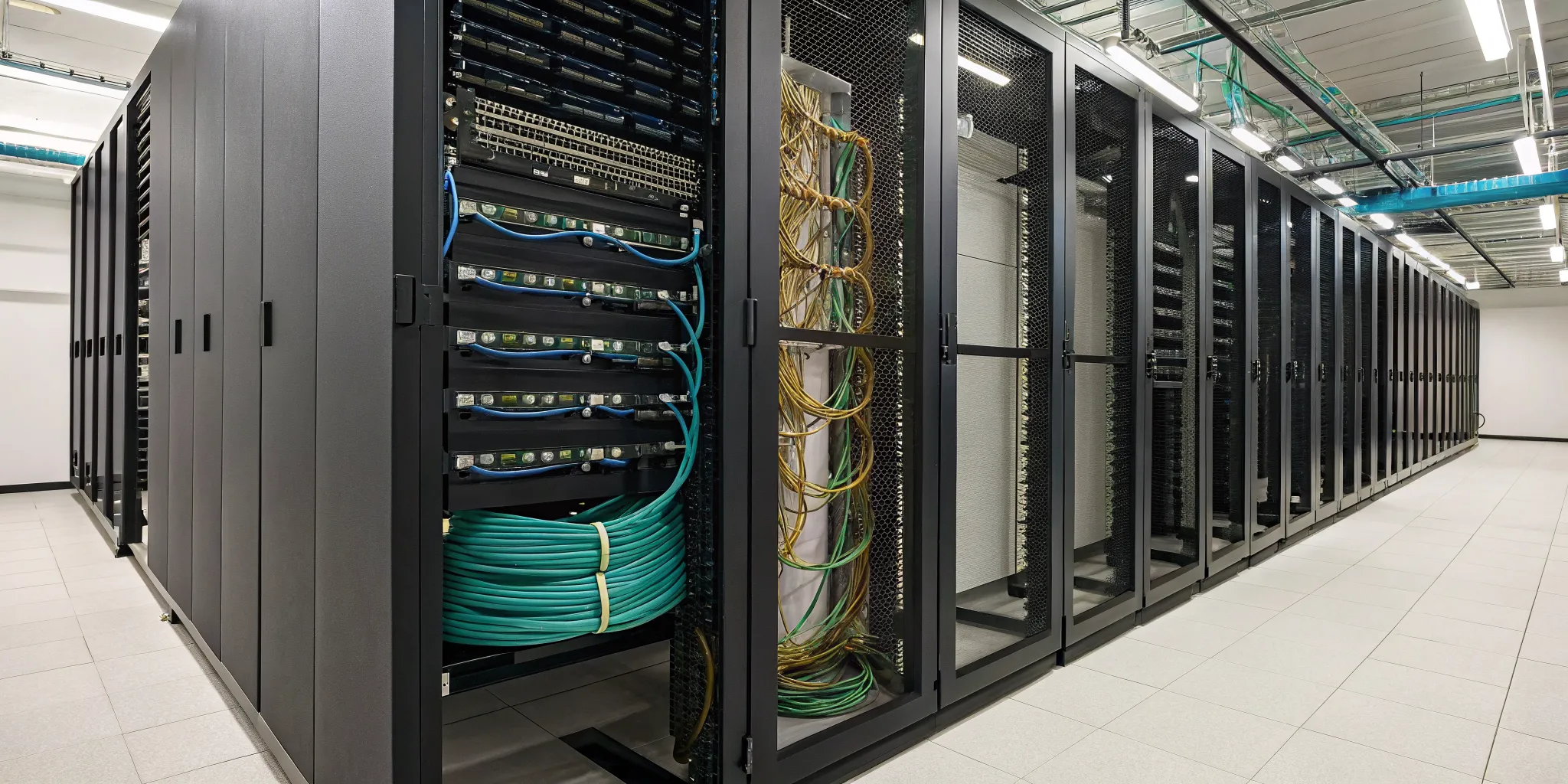
- Details
- Written by: This email address is being protected from spambots. You need JavaScript enabled to view it.
- Category: Blog
- Hits: 4
It’s a common mistake to think that all wiring is the same. You might assume the electrician handling your lighting can also set up your data network. However, the high-voltage power that runs your lights is fundamentally different from the low-voltage systems that carry your data. This distinction is critical for any business, especially one that relies on fast, reliable communication across multiple sites. A general electrician is a master of power, but a specialist is needed for performance. Pro wiring solutions provide this specialized expertise, focusing exclusively on the structured cabling that supports your computers, phones, and security systems. It’s the difference between just getting connected and building a truly reliable, high-performance technology infrastructure.
Key Takeaways
- Standardize your infrastructure with one partner: Using a single provider for all your locations creates a consistent technology blueprint. This approach simplifies management, makes troubleshooting easier, and ensures future technology rollouts are seamless.
- Look for a partner, not just a contractor: A true wiring partner offers comprehensive services that go beyond simple installation, including technology design, project management, and ongoing support. This end-to-end approach ensures your infrastructure is built to scale with your business.
- Prioritize proven experience over the lowest price: When vetting providers, focus on their track record with multi-site businesses in your specific industry. Confirm they have national coverage and proper certifications, as these qualifications are more critical for long-term reliability than the initial quote.
What Are Professional Wiring Solutions?
When you’re setting up a new office or expanding to another location, you’re likely focused on the big picture: the layout, the furniture, the computers. But what about the invisible network that makes all your technology work together? That’s where professional wiring solutions come in. These services are about much more than just plugging in cables. They involve the complete design, installation, and management of the low-voltage systems that act as the central nervous system for your business. For a multi-site organization, this is the key to ensuring every location operates on the same reliable, high-performing foundation for communication and data transfer.
Commercial vs. Residential: What's the Difference?
The wiring that runs through your office is fundamentally different from what you have at home, and for good reason. Commercial wiring is designed to handle a much higher volume of data and a greater number of devices. It’s built for durability and must comply with stricter safety and building regulations. Think about a busy dental office or corporate headquarters. The network needs to support everything from computers and phone systems to specialized equipment and security cameras, all at once. This complexity and scale are why commercial projects require specialized expertise. It’s about creating a robust infrastructure that can withstand the demands of a growing business, not just connecting a few laptops to the internet.
Understanding Structured Cabling and Low-Voltage Systems
You’ll often hear the terms "structured cabling" and "low-voltage systems," so let’s quickly break them down. Structured cabling is simply an organized and standardized approach to your building's entire cabling network. It creates a clean, cohesive infrastructure that connects your computers, phones, security systems, and other devices to your network. Low-voltage systems are the pathways that carry data for these technologies. Getting the technology design and implementation of these systems right from the start is crucial. A well-designed structured cabling system makes it easy to manage your network, troubleshoot issues, and add new technology as your business grows, creating a future-proof foundation for all your locations.
Why Do Multi-Location Businesses Need Professional Wiring?
When you're managing technology across multiple locations, the last thing you want to worry about is what’s happening behind the walls. But the quality of your structured cabling is the foundation for your entire IT infrastructure. It dictates the speed of your network, the reliability of your security systems, and your ability to grow without major disruptions. For multi-site organizations, trying to manage this with local, unvetted contractors at each location often leads to a patchwork of inconsistent, unreliable, and non-compliant systems. This creates a constant headache for your IT team and can stall your growth.
Professional wiring services solve this by creating a standardized, high-performance backbone for your entire operation. It’s not just about connecting computers and phones; it’s a strategic approach to building a network that is secure, scalable, and easy to manage, no matter how many sites you have. By partnering with a single provider, you ensure every new office, from the initial new construction to ongoing changes, is built on the same reliable framework. This approach turns your physical infrastructure from a potential liability into a powerful asset that supports your expansion. It gives you predictable results and peace of mind, knowing that the technological foundation of every location is solid.
Ensure Consistency Across All Locations
Imagine your IT team trying to troubleshoot an issue, only to find that every office has a completely different wiring closet, labeling system, and quality of work. This inconsistency creates massive inefficiencies, making maintenance slow and expensive. A professional wiring partner establishes a single, standards-driven blueprint for all your locations. This means every cable is installed, terminated, and tested the same way, every time. This uniformity simplifies troubleshooting, streamlines support, and makes multi-site technology rollouts for upgrades or new software deployments significantly smoother. When your infrastructure is consistent, your team can resolve issues faster and manage the network more effectively.
Build a Foundation That Scales With You
Your business is growing, and your IT infrastructure needs to be ready to grow with it. Professional wiring isn't just about meeting your current needs; it's about building a foundation that can handle future demands. A skilled partner will design a structured cabling system that anticipates increased bandwidth requirements, additional devices, and emerging technologies. This forward-thinking approach helps you avoid costly and disruptive "rip-and-replace" projects down the road. For organizations expanding through mergers and acquisitions, having a scalable wiring model makes it far easier to integrate new locations into your existing IT standards, ensuring a seamless transition and immediate operational readiness.
Meet Safety and Compliance Standards
Improperly installed low-voltage cabling can create serious risks, including fire hazards, electrical interference, and critical system failures. Commercial buildings are subject to strict local and national electrical codes and safety regulations that govern how this wiring must be installed. A professional wiring contractor ensures every aspect of the job is fully compliant, protecting your business, your employees, and your data. For specialized industries like Dental Service Organizations and other healthcare providers, where uptime and data security are paramount, meeting these standards isn't optional. It’s a fundamental requirement for protecting sensitive information and ensuring operational continuity across all your practices.
What Do Professional Wiring Services Include?
When you partner with a professional wiring contractor, you’re getting much more than someone to run a few cables through the walls. You’re investing in a comprehensive suite of services designed to build a reliable technology foundation for your entire organization. These services are the building blocks for seamless communication, robust security, and scalable growth across all your locations. A true wiring partner handles everything from initial design and consulting to final implementation, ensuring your low-voltage infrastructure is ready for whatever comes next. Let’s look at the core services you should expect.
Network and Structured Cabling
Think of structured cabling as the central nervous system of your business. It’s the organized system of cables and hardware that connects all your data and communication devices, from computers and phones to servers and security cameras. Professional services ensure this system is designed for efficient data transmission, creating a stable network across every single one of your sites. This isn't just about connecting Point A to Point B; it's about creating a clean, scalable, and easy-to-manage infrastructure that supports your multi-site technology rollouts and prevents connectivity headaches. A well-designed system simplifies troubleshooting and makes future upgrades much smoother.
Telecom and Phone System Installation
For any multi-location business, clear and reliable communication is non-negotiable. Professional wiring services include the installation and setup of your telecom and phone systems, ensuring your teams and clients can connect without interruption. This often involves installing commercial telephone jacks, wiring for VoIP (Voice over Internet Protocol) systems, and integrating the phone network with your data network. Proper installation is key to call clarity and system reliability, helping you maintain consistent service standards whether you're managing two offices or two hundred. This is a critical part of any moves, adds, and changes project.
Security System Integration
Protecting your people and property is a top priority, and professional wiring is essential for a dependable security setup. This service involves the complete integration of your security systems, including surveillance cameras, access control panels, and alarm systems. A wiring expert ensures these low-voltage systems are installed correctly and configured to work together seamlessly. For organizations like Dental Service Organizations, having a standardized and professionally installed security system at each practice provides peace of mind and protects valuable assets and sensitive information across the board.
Technology Design and Implementation
Beyond just installation, a top-tier wiring partner provides expert technology design and implementation. This means they work with you from the very beginning to plan an infrastructure that meets your current needs and supports future growth. Whether you're undertaking a new construction project, renovating existing offices, or standardizing technology after a merger, this strategic approach is invaluable. They analyze your goals and design a wiring plan that integrates all your systems efficiently, ensuring your technology foundation is built to last and can handle future upgrades with ease.
How to Vet a Professional Wiring Contractor
Finding the right wiring contractor is one of the most important decisions you'll make for your technology infrastructure. This isn't just about connecting cables; it's about building a reliable foundation that supports your entire operation, from data transfer to security systems. The right partner ensures your technology works seamlessly across all your locations, while the wrong one can lead to frustrating downtime and costly repairs. When you're managing multiple sites, the stakes are even higher. You need a partner you can trust to deliver consistent, high-quality results every time. Vetting a contractor goes beyond comparing quotes. It involves a careful look at their qualifications, experience, and the quality of their work to ensure they can meet the unique demands of a growing, multi-location organization. This process helps you find a team that not only understands the technical requirements but also the business implications of a solid, scalable network.
Check for Certifications and Licensing
Your first step should be to confirm that any potential contractor holds the proper certifications and licenses. These credentials aren't just pieces of paper; they are proof that the contractor meets strict industry and state requirements for safety and quality. A certified specialty contractor, for example, is authorized to perform specific types of wiring work. You can often verify a contractor's license through state-run databases, which provides peace of mind that you're working with a qualified professional. Don't hesitate to ask for this information directly. A reputable partner will be happy to provide proof of their qualifications.
Proven Multi-Location Experience
For a business with multiple offices, experience with single-site projects isn't enough. You need a partner with a proven track record of handling multi-location rollouts. A contractor experienced in this area understands the logistical complexities of standardizing technology across different cities and states. They know how to ensure every location, whether it's your first or your fiftieth, has the exact same high-quality infrastructure. This expertise extends beyond installation to include consulting and design, helping you create a scalable and consistent technology plan. This ensures your wiring foundation supports your growth, rather than holding it back.
High-Quality Equipment and Tools
The quality of a wiring job is directly tied to the tools and equipment used. A professional contractor invests in high-quality, specialized equipment to ensure every connection is secure, reliable, and built to last. But it's not just about the tools themselves; it's about the expertise to use them correctly. Look for a team with a strong IT background and experience with the types of systems you use. For example, technicians skilled in installing and uninstalling network equipment will have a deeper understanding of how the cabling infrastructure supports your entire technology stack. This ensures a more efficient and effective installation from start to finish.
Professional Wiring vs. Basic Electrical: What's the Difference?
It’s a common misconception that all wiring is the same. While a general electrician and a professional wiring partner both work with cables, their roles, expertise, and impact on your business are worlds apart. Understanding this difference is key to building a reliable technology foundation for your multi-location organization.
A basic electrical contractor primarily handles high-voltage power. They are the experts you call to install lighting, run power to outlets, and connect your building to the electrical grid. Their job is to ensure your facilities have safe and reliable power.
A professional wiring partner, on the other hand, specializes in low-voltage systems. These are the intricate networks that carry data and communication signals, forming the central nervous system of your business operations. They don’t just install cables; they design and implement the entire technology infrastructure that supports your phones, computers, security systems, and more. For a growing business with multiple sites, choosing a professional wiring partner isn't just a good idea, it's a strategic decision that directly affects your operational efficiency, security, and ability to scale.
Specialized Low-Voltage Expertise
The most significant difference lies in specialization. A general electrician is a master of high-voltage alternating current (AC) power, but that expertise doesn't typically extend to low-voltage direct current (DC) systems that run your technology. Professional wiring services focus exclusively on this low-voltage infrastructure, which includes everything from structured network cabling and phone systems to security cameras and access control panels. This work requires a deep understanding of data transmission standards, signal integrity, and network architecture. A professional ensures your ethernet cables are installed to prevent data loss and interference, your security feeds are clear and reliable, and your entire technology ecosystem communicates flawlessly. This specialized knowledge is essential for building a robust foundation during construction or major renovations.
End-to-End Project Management
When you hire an electrician, you’re usually contracting for a specific, task-based job. When you partner with a professional wiring service, you get comprehensive project management from start to finish. This process begins with a consultation to understand your business needs and growth plans, followed by a detailed technology design. The partner then handles the full implementation, including installation, termination, and rigorous testing of every connection. For organizations managing multiple locations, this end-to-end approach is invaluable. It provides a single point of contact and accountability, ensuring that every site is wired to the exact same high standard. This consistency simplifies maintenance and makes large-scale technology rollouts for upgrades or acquisitions a smooth, predictable process.
Focus on Tech Integration and Future-Proofing
A basic electrical job solves an immediate need. A professional wiring project builds for the future. Professional wiring partners design your infrastructure with scalability and technological evolution in mind. They don’t just run cables from point A to point B; they create an organized and adaptable structured cabling system that can support your company’s growth for years to come. This forward-thinking approach means anticipating future needs, like higher network speeds, additional workstations, or the integration of new smart building technologies. By installing a scalable foundation from the outset, you avoid the significant expense and operational disruption of having to rip and replace your wiring down the line. It’s an investment in your company’s long-term agility and a critical step for any organization planning for expansion, including through mergers and acquisitions.
How to Gauge Service Quality and Read Reviews
Once you have a shortlist of potential wiring partners, it’s time to look closer at their track record. Beyond what a company says about itself, you need to find out what their actual performance looks like. Reading reviews and testimonials is a great start, but knowing what to look for in that feedback is what truly helps you make a confident decision. For multi-location businesses, the key indicators of a great partner are consistency, communication, and quality.
On-Time Project Completion
For any growing business, time is money. Project delays can disrupt operations, postpone opening dates, and create a domino effect of issues across your locations. That’s why a contractor’s ability to complete projects on schedule is a critical measure of their service quality. When reading reviews, look for specific mentions of timeliness. For example, a company’s profile on the Better Business Bureau might highlight a reputation for meeting deadlines. Consistent feedback about on-time completion shows that a provider respects your schedule and has the project management skills to deliver predictable results, which is essential when coordinating technology rollouts across multiple sites.
Clear Communication and Responsiveness
A wiring project involves many moving parts, and you can’t be everywhere at once. Clear and proactive communication is the glue that holds a multi-site project together. You need a partner who keeps you informed, answers questions promptly, and addresses issues before they become problems. One clever way to gauge this is to look at how a company presents itself to potential employees. For instance, a job posting on a site like Glassdoor that emphasizes communication skills for its technicians suggests that client interaction is a core value. This focus on responsiveness is vital for keeping your projects on track and ensuring everyone is aligned, from your headquarters to each individual site.
Quality Workmanship and Professionalism
The quality of the physical installation determines the long-term reliability of your network and technology systems. Shoddy work can lead to performance issues and future repair costs. Professionalism isn’t just about being polite; it’s about adhering to high standards. A straightforward way to verify this is by checking for licenses and certifications on platforms like BuildZoom. These credentials prove a provider is committed to their craft and knowledgeable about industry best practices. For organizations managing multiple locations, this is non-negotiable. It ensures the work done at a new construction site in one state meets the exact same quality standards as an office upgrade in another, creating a dependable and uniform technology foundation for your entire enterprise.
How to Compare Wiring Service Providers
Choosing a wiring provider is a major decision, especially when you’re managing dozens or even hundreds of locations. You aren't just hiring a contractor to run cables; you're selecting a long-term partner whose work will be the foundation of your entire technology infrastructure. The right partner understands your growth model and can deliver consistent, high-quality results everywhere you operate. When you compare providers, look beyond the initial quote and focus on three key areas: their industry expertise, their geographic reach, and their proven credentials.
Industry Specialization
Does the provider understand the unique challenges of your industry? A general contractor might be able to wire an office, but a partner specializing in your field, like Dental Service Organizations, knows the specific compliance, equipment, and workflow requirements you face. They understand the technology needed for patient management systems in healthcare or the transaction systems in retail. An industry specialist speaks your language, anticipates your needs, and designs systems that support your specific operational goals. This expertise prevents costly redesigns and ensures your infrastructure is an asset, not a liability.
National Coverage for All Your Locations
For a multi-site business, consistency is non-negotiable. Working with different local contractors for each new office or acquisition creates a patchwork of standards, equipment, and quality, making maintenance a nightmare. A single partner with national coverage ensures every one of your large-scale rollouts follows the same blueprint. Whether you're opening a new site in Florida or acquiring one in California, you get predictable results. This standardized approach simplifies management, reduces troubleshooting time, and makes it easier to deploy new technologies across your entire organization simultaneously.
Team Credentials and Proven Track Record
A provider’s promises are only as good as their ability to deliver. Before signing a contract, verify their credentials and look for a proven history of success with businesses like yours. Ask for case studies or references from other multi-location clients. Check for industry-standard certifications, proper licensing, and insurance. A reputable partner will be transparent about their qualifications and proud to share their track record. A long history in the business often points to a stable, reliable team that has successfully completed projects of a similar scale and complexity to yours.
How to Save on Commercial Wiring Projects
A professional wiring project is a major investment, but it doesn't have to break the bank. With the right approach, you can get a high-quality, reliable technology foundation while keeping costs in check. For multi-location businesses, the key is to think strategically and leverage your scale. Instead of treating each new office or acquisition as a one-off project, you can find significant savings by standardizing your approach and working with a partner who understands the big picture. Here are a few practical ways to make your budget go further without compromising on quality.
Multi-Site Volume Discounts
When you’re outfitting multiple locations, you have buying power. Partnering with a single national provider for all your sites can unlock significant volume discounts on both materials and labor. A contractor experienced in large-scale technology rollouts can procure cabling, hardware, and other components at a much better price than you could for a single office. They also create efficiencies by deploying the same skilled teams and standardized processes across every location. This consolidation means you’re not just saving money; you’re also getting a consistent, predictable result at every site, which simplifies maintenance and future upgrades.
Bundled Service Packages
Juggling multiple vendors for design, cabling, installation, and IT support is a management headache and it’s expensive. Each contractor adds their own project management fees and profit margins. A more cost-effective route is to find a partner who offers bundled service packages. By consolidating everything from initial new construction technology design to installation and ongoing field services under one roof, you streamline the entire process. This approach reduces administrative overhead, eliminates communication gaps, and gives you a single point of accountability, which often results in a lower total project cost.
Benefits of Strategic Planning
The cheapest wiring job isn't always the most cost-effective one. Rushing into a project without a solid plan can lead to costly change orders, delays, and a system that can’t support your future needs. The best way to save money is through strategic planning with a partner who understands your industry. For growing Dental Service Organizations, this means designing a network that can handle new imaging technology and patient software for years to come. A forward-thinking plan ensures your infrastructure is scalable, preventing expensive "rip and replace" projects and protecting your initial investment.
Key Questions to Ask Before You Hire a Wiring Partner
Finding the right wiring partner is about more than just connecting cables; it’s about building a reliable technology foundation for every single one of your locations. The wrong choice can lead to inconsistent performance, unexpected costs, and major headaches as you grow. To make sure you’re partnering with a contractor who can truly support your multi-site organization, start by asking these critical questions.
What is your experience with multi-location businesses in our industry? A general contractor might be able to run wires, but you need a partner who understands the specific demands of your field, whether it's healthcare, retail, or a network of Dental Service Organizations. Ask for case studies or references from companies similar to yours. Find out if they specialize in low-voltage structured cabling for technology systems, not just general electrical work. Their answer will tell you if they have the focused expertise to build a standardized, high-performance network.
How do you manage large-scale rollouts and ensure consistency? For a business with dozens or hundreds of sites, standardization is everything. Ask potential partners to walk you through their project management process for multi-site rollouts. How do they guarantee that the cabling infrastructure in your new Miami office is identical to the one in Seattle? A capable partner should have a clear, repeatable process for design, installation, and verification that ensures predictable results every time, no matter the location.
Can you handle our technology needs from construction to ongoing support? Your wiring infrastructure is the backbone for everything from your phone systems to your security cameras and point-of-sale devices. You need a partner who can manage the entire lifecycle. Ask if their services cover initial technology design during new construction as well as ongoing support for day-to-day needs. A single partner who can handle everything from the ground up simplifies management and ensures all your systems work together seamlessly.
What is your service footprint and how do you support a national network? Finally, ask about their geographic coverage. Can they service all of your existing and future locations across the country? A partner with a national reach eliminates the need to find and vet local contractors for every new office or service call. This ensures you get the same quality of service and quick response times everywhere, creating a truly scalable and manageable technology environment for your growing business.
Frequently Asked Questions
When is the right time to bring in a professional wiring partner for a new location? The ideal time is as early as possible, preferably during the architectural design phase for a new construction project. Integrating your technology plan from the very beginning prevents expensive and disruptive changes down the road. For an existing office or a new lease, you should engage a partner before you begin any renovations. This allows them to design an infrastructure that works with the space and supports your long-term goals, rather than just reacting to an existing layout.
We're acquiring offices with existing, messy wiring. Can you still help us standardize? Yes, absolutely. This is a common situation for growing organizations, and it's one of the most valuable services a wiring partner can provide. The process typically involves a thorough audit of each location's current infrastructure. From there, a partner can create a strategic plan to systematically upgrade and align each office with your company-wide technology standards, ensuring every site operates on the same reliable foundation.
Why can't our regular electrician or internal IT team just handle the wiring? While your electrician is an expert in high-voltage power and your IT team excels at managing software and network users, professional wiring is a distinct and specialized field. It focuses entirely on low-voltage data systems, requiring deep knowledge of network architecture, data transmission standards, and specific installation codes. A dedicated wiring partner ensures this critical foundation is built for peak performance and scalability, allowing your IT team to focus on their core duties instead of troubleshooting physical connection issues.
How does a single national partner save us money compared to hiring local contractors? While a local contractor might seem less expensive for a single job, the costs of inconsistency add up quickly across multiple locations. A national partner creates savings through volume discounts on materials and by streamlining project management, which reduces your administrative burden. Most importantly, a standardized installation makes future maintenance and troubleshooting far more efficient for your IT team, lowering your total cost of ownership and preventing expensive downtime.
What does a 'standardized' wiring setup actually look like from one office to the next? A standardized setup means that the technology infrastructure is practically identical across all your locations. If you walked into the network closet in your Miami office and then into one in Seattle, they would be organized in the same way. Every cable would be the same quality, labeled with the same clear system, and connected to similar hardware in the same configuration. This uniformity removes guesswork and allows your support team to resolve issues quickly and efficiently, no matter where they occur.